Premium wholesale components, structural systems, and global shipping programs direct from vetted manufacturing hubs.
In the contemporary landscape of global trade, the economic corridor between China and South Korea stands as a cornerstone of East Asian industrial output. This paper outlines the strategic optimization of wholesale trade corridors linking Chinese manufacturing hubs (factories) with the highly automated, high-frequency logistics networks of South Korea. Under the Regional Comprehensive Economic Partnership (RCEP), bilateral trade barriers have hit historic lows, prompting global supply chain managers to rethink their warehousing, consolidation, and transit routes.
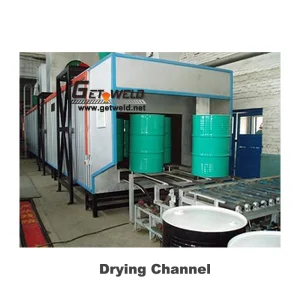
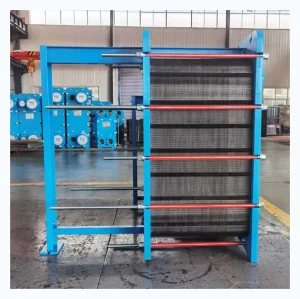
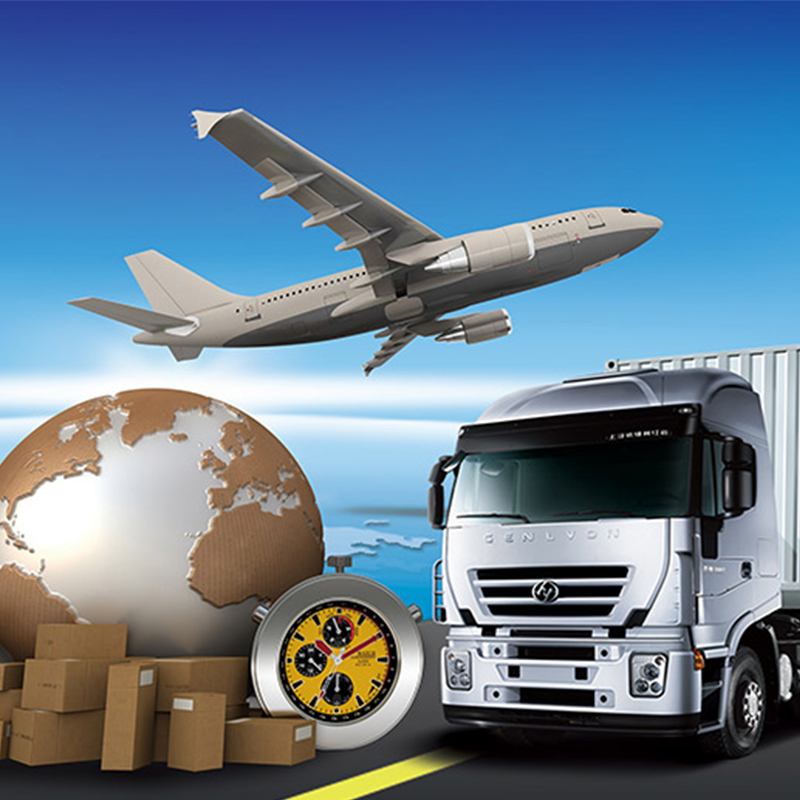
Managing supply chains today requires more than finding cheap raw materials; it demands structural integration. From Jinhua, Zhejiang, and other industrial clusters in mainland China, the flow of goods—ranging from high-end automated industrial machinery (e.g., steel barrel painting lines, plate heat exchangers) to bulk construction materials and e-commerce consumer goods—relies on seamless multimodal transit. The key is combining the scale of Chinese factory production with the efficiency of South Korea’s maritime-air cargo transport terminals.
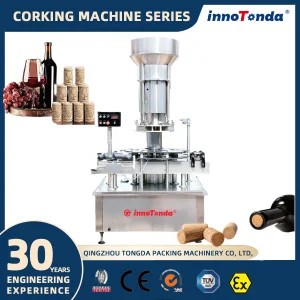
The manufacturing capabilities of Chinese factories are built on decades of supply chain clustering. Unlike isolated production units, factories in the Yangtze River Delta and Pearl River Delta operate within complete ecosystems where raw materials, components, casting, machining, surface treatment, and packaging happen in close proximity. This structural proximity dramatically reduces lead times for complex machinery fabrication, such as automated bottle cap sealing machines and customized plate heat exchangers for petrochemical processing.
By bypassing brokers and setting up direct connections with Chinese factories, global enterprises secure high-quality products while maintaining control over technical parameters and engineering details.
South Korea’s logistics infrastructure acts as a primary hub for Northeast Asia and a major gateway for transpacific trade. Establishing a robust logistics network between China and South Korea allows businesses to leverage diverse localized application scenarios:
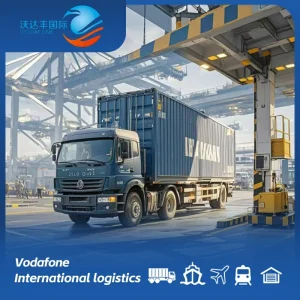
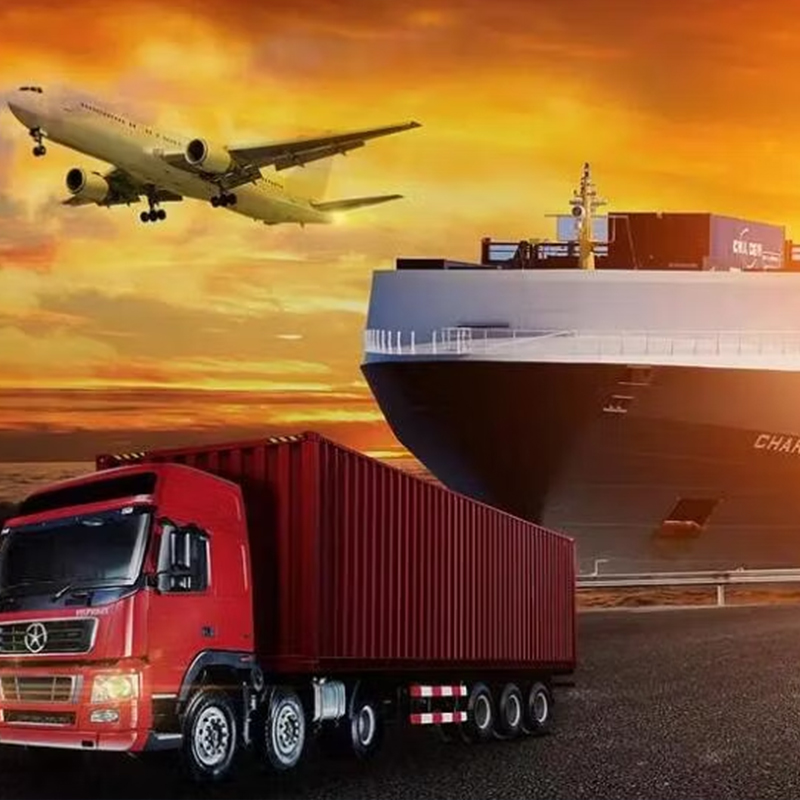
Combining fast sea routes from Chinese ports (Qingdao, Weihai, Ningbo) with the extensive international flight network of Incheon International Airport (ICN). This hybrid model offers cost savings of up to 45% compared to pure air freight, with transit times under 72 hours to global destinations.
Using Free Trade Zones (FTZs) in Busan and Incheon to defer import taxes. Goods can be consolidated, labeled, repackaged, and dispatched to third-party markets without incurring local South Korean duties, reducing overheads.
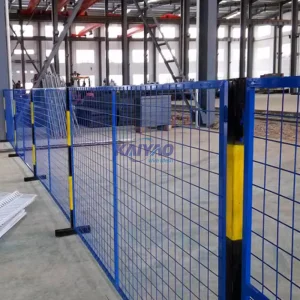
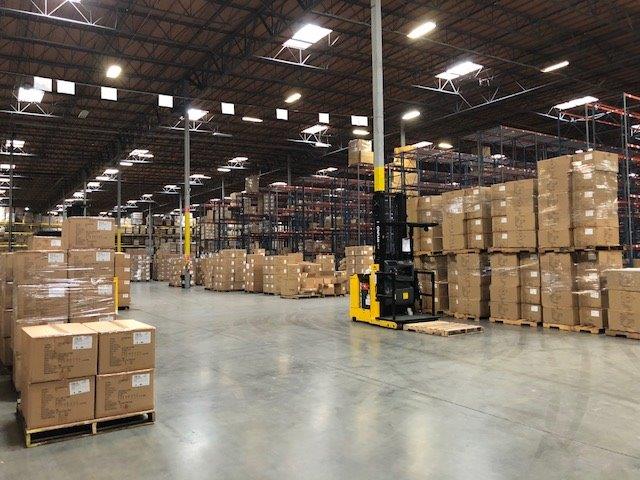
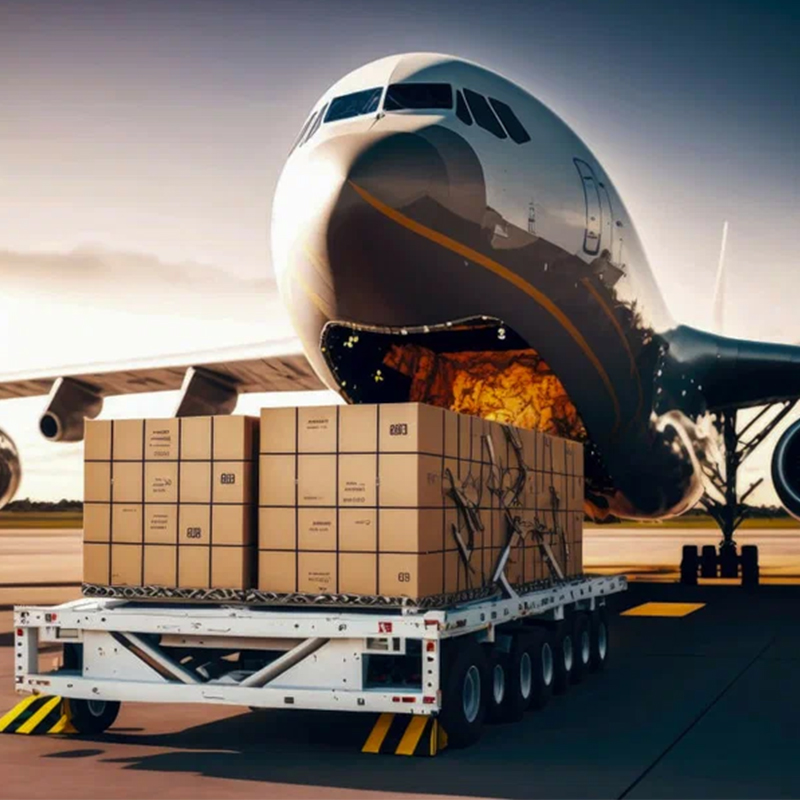
Integration with Korea's ultra-dense domestic express couriers (CJ Logistics, Hanjin, Lotte). Warehouses utilize advanced robotics and protective guardrails to sort, pick, and pack items for quick delivery to final consumers.
1. Cross-Border E-Commerce Distribution: For Chinese wholesale brands targeting South Korean consumers via Coupang, Naver Smart Store, or Gmarket. Goods are shipped bulk to Incheon bonded warehouses, customs-cleared via automated EDI links, and delivered to Korean households within 24 to 48 hours.
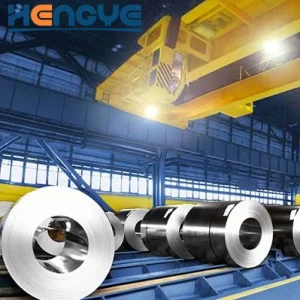
2. Just-In-Time (JIT) Industrial Spares: Factories in industrial complexes such as Ulsan, Changwon, and Gwangyang import critical mechanical components, such as stainless steel sheet metal coil lines and custom heat exchangers, from Chinese factories with minimal lead times. This pipeline prevents assembly line stoppages.
The future of China-Korea trade relies on digital integration. Moving away from manual documentation, the industry is transitioning to smart, cloud-based supply chain management systems. We are tracing the integration of AI-driven route optimization, automatic customs clearance, and IoT sensor arrays to provide visibility at every mile of the journey.
Instant freight rate comparison and digital container booking via unified software.
Real-time GPS, temperature, and humidity sensors inside transit containers.
Predictive analysis of customs declarations to expedite HS-code validation.
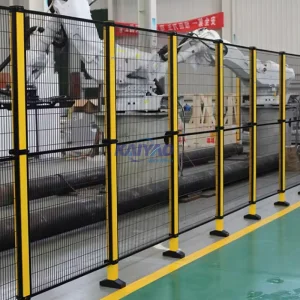
AGVs and automated sorting systems protected by industrial guardrails.
Looking forward, the focus is on low-carbon shipping and digital customs alliances. Blockchain-based Bill of Lading systems are currently being tested on Shanghai-Incheon maritime routes, which will eliminate paper documentation and cut processing times from days to minutes. Additionally, electrification of port cargo vehicles in Busan and Incheon is preparing the corridor for stricter carbon accounting rules.
Jinhua DSERG Logistics Co., Ltd. is a professional international freight forwarding and supply chain service provider, positioned as a China International Logistics Dedicated Line | Air Freight & Express Shipping Solutions provider. The company is committed to delivering fast, stable, and cost-efficient cross-border logistics services for global e-commerce, manufacturing exporters, and trading companies.
Founded in 2014 in Jinhua, China, DSERG Logistics initially focused on regional freight consolidation and export handling services. With the rapid growth of global e-commerce and cross-border trade, the company expanded into dedicated international logistics lanes covering air freight, express delivery, and multimodal transport solutions. By 2018, DSERG had established stable shipping routes connecting China with Europe, the United States, the UK, Australia, and Southeast Asia.
Today, the company operates a comprehensive logistics network integrating customs clearance, warehousing, cargo consolidation, and last-mile delivery. With advanced tracking systems and optimized route planning, DSERG ensures high efficiency, transparency, and reliability throughout the shipping process. Jinhua DSERG Logistics Co., Ltd. continues to serve clients across manufacturing, retail, and e-commerce industries worldwide. With a strong focus on speed, security, and service quality, the company is dedicated to building efficient international logistics dedicated lines and supporting seamless global trade connectivity.
Entering the South Korean market requires strict compliance with domestic regulatory standards. Importers often face challenges with the Korean Customs Service (KCS) due to incorrect classification of goods, incomplete safety certifications, or missing documentation. Navigating these requirements demands local knowledge and structured import processes:
DSERG Logistics offers specialized customs clearance services. By operating localized support desks in Incheon and Busan, we manage the import documentation process, resolve compliance questions, and ensure fast clearance for all inbound shipments.
Clear answers to frequent questions about logistics, custom duties, factory sourcing, and supply chain management.
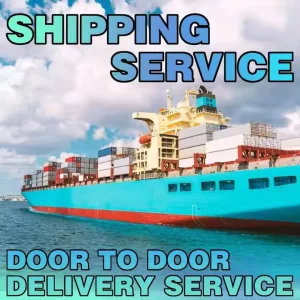
Shipping transit times depend on the transport mode. Express air courier takes 1-2 days, air cargo takes 2-3 days, and direct LCL/FCL ocean freight from East China ports (Qingdao/Weihai) to Incheon/Busan takes 1-3 days. Inland transit and customs handling typically add 1 day to the total timeline.
The FTA eliminates or reduces import duties on over 90% of product categories traded between the two countries. To benefit from these lower rates, the importer must present a valid Certificate of Origin issued by authorized agencies in China during the customs entry process.
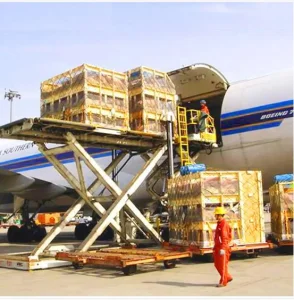
Yes. DSERG Logistics specializes in DDU/DDP shipping models. We manage the entire transport chain from factory collection in China, customs clearance, and ocean/air freight, through to delivery at regional distribution hubs, including Amazon FBA warehouses in the US, Europe, and Asia.
We use heavy-duty industrial packaging, secure reinforcement inside containers, and cargo insurance. We also utilize protective isolation fences and guardrails in our sorting hubs to protect sensitive machinery from impact during handling.
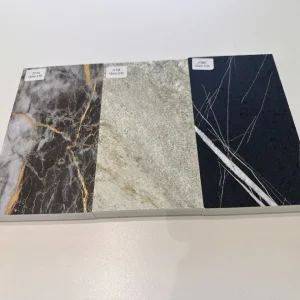
Architectural materials must comply with environmental and safety regulations. Depending on the application, lead-free PVC foam boards may need fire-retardant testing and emission certificates to confirm they do not release volatile organic compounds (VOCs) beyond legal limits.
Explore our range of machinery, fabrication lines, building components, and international freight options.
 DSERG Logistics