In the modern industrial landscape, establishing a robust supply chain to Latin America, particularly Brazil, represents one of the most significant growth opportunities—and operational challenges—for global businesses. Brazil stands as the leading market in South America, driving demands for heavy industrial components, raw manufacturing materials, electronics, and consumer retail products. However, international logistics routes servicing Brazil must navigate dense regulatory systems, massive geographic spans, and high tax frameworks commonly termed the "Brazil Cost" (Custo Brasil).
To succeed, businesses require more than standard shipping agents; they require dedicated freight line manufacturers and logistics integrators that optimize freight lanes at the source. Factories producing steel structures, food-grade production equipment, and automotive components rely on specialized logistics partners to ensure raw materials transit smoothly from manufacturing capitals to South American drop points like Santos, Paranaguá, and Guarulhos. Navigating this network requires structural experience in multimodal logistics, customs warehousing, and end-to-end line transparency.
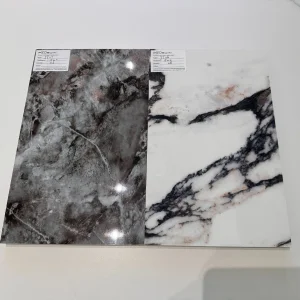
Unlike general logistics brokers, specialized freight line operators control dedicated space agreements with commercial airlines and container shipping fleets. This structural control reduces transshipment delays, stabilizes rates during peak seasons, and ensures specialized handling for complex cargoes such as laminated fire-retardant building materials or heavy mechanical parts.
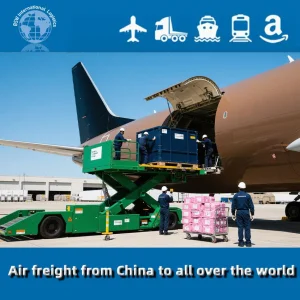
Jinhua DSERG Logistics Co., Ltd. is a professional international freight forwarding and supply chain service provider, positioned as a leading China International Logistics Dedicated Line | Air Freight & Express Shipping Solutions provider. The company is committed to delivering fast, stable, and cost-efficient cross-border logistics services for global e-commerce, manufacturing exporters, and trading companies.
Founded in 2014 in Jinhua, China, DSERG Logistics initially focused on regional freight consolidation and export handling services. Recognizing the rapid growth of global e-commerce and cross-border trade, the company made strategic moves to expand into dedicated international logistics lanes covering air freight, express delivery, and multimodal transport solutions. By 2018, DSERG had established stable shipping routes connecting China with Europe, the United States, the UK, Australia, and Southeast Asia. Today, the company operates a comprehensive logistics network integrating customs clearance, warehousing, cargo consolidation, and last-mile delivery. With advanced tracking systems and optimized route planning, DSERG ensures high efficiency, transparency, and reliability throughout the shipping process.
Navigating the Brazilian market demands structured technical protocols. The combination of dense maritime freight schedules, inland customs terminals (Portos Secos), and variable clearance speed requires freight line manufacturers to implement predictive tracking and structured transit phases. Below is the operational framework utilized to achieve optimal transit speeds and compliance.
Analyzing import declarations (DI) and simplified declarations (DSI) prior to cargo departure to minimize cargo detention by Brazilian customs (Receita Federal).
Securing direct blocked space agreements (BSAs) on major cargo aircraft, ensuring reliable transit routes even during high-demand peak retail quarters.
Categorizing customs routing under Green, Yellow, Red, or Grey channels through systematic assessment of commercial documentation and valuation protocols.
The import framework of Brazil is characterized by its multi-layered tax structure. Goods arriving in Brazil are subject to various federal, state, and local taxes, including the IPI (Industrialized Products Tax), II (Import Tariff), ICMS (State Value Added Tax), PIS, and COFINS. Navigating this architecture requires localized compliance safeguards to prevent costly delays and administrative penalties.
By offering comprehensive DDP (Delivered Duty Paid) and DDU (Delivered Duty Unpaid) shipping models, our processes accommodate diverse commercial arrangements. In a DDP model, the importer of record handles the tax execution at port arrival through advanced electronic payments, ensuring cargo transitions smoothly into the inland distribution network. For DDU shipments, coordinates are established directly with local customs brokers, streamlining tax calculation and processing through the Siscomex platform to guarantee compliant cargo release.
Dedicated air freight express transit times generally average between 3 to 7 business days, depending on whether direct routes or transshipment routes are selected. When factoring in customs clearance at key terminals like GRU or VCP, standard processing adds an additional 2 to 4 days, assuming all pre-documentation (commercial invoices, packing lists, and import declarations) is fully aligned and compliant.
Under the DDP (Delivered Duty Paid) framework, the freight line operator calculates and coordinates the payment of the II, IPI, PIS, COFINS, and state-level ICMS taxes prior to arrival. This calculation is executed via localized compliance networks linked to the Siscomex system, allowing the buyer to receive goods at their final warehouse with all duties settled and cleared.
Essential document sets include the original Bill of Lading (B/L) or Air Waybill (AWB), the Commercial Invoice (detailing the NCM / Harmonized System code), packing list, and the importer's RADAR license registration. Any discrepancy in values, weights, or classification codes can result in customs delays or fines.
Yes. Utilizing out-of-gauge (OOG) shipping, specialized flat-rack containers, and heavy-cargo roll-on/roll-off (RoRo) services allows for the transport of substantial industrial components, steel workshops, and automated food-grade equipment lines directly to South American ports.
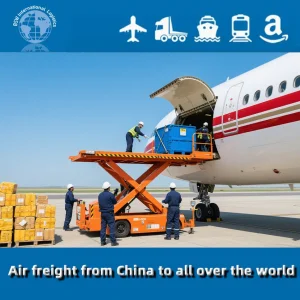
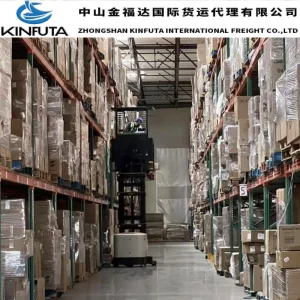
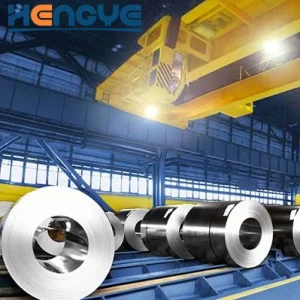
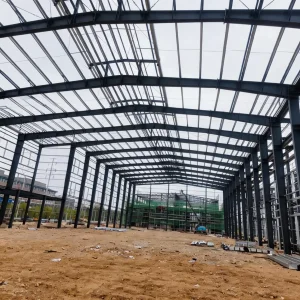
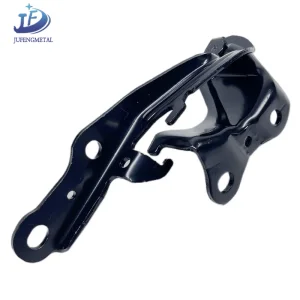
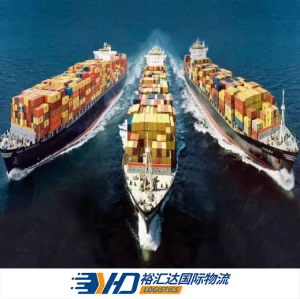
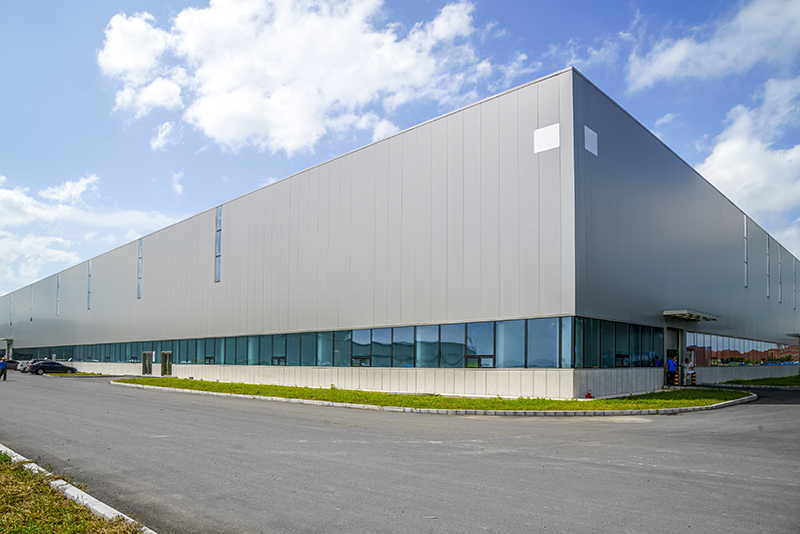
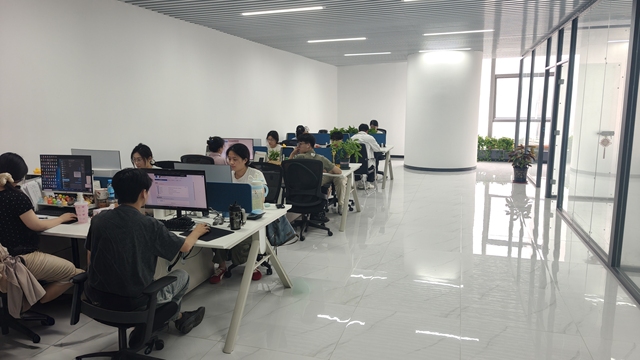
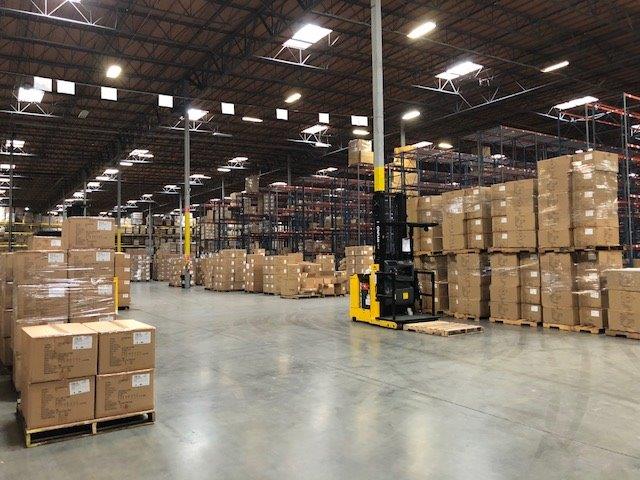
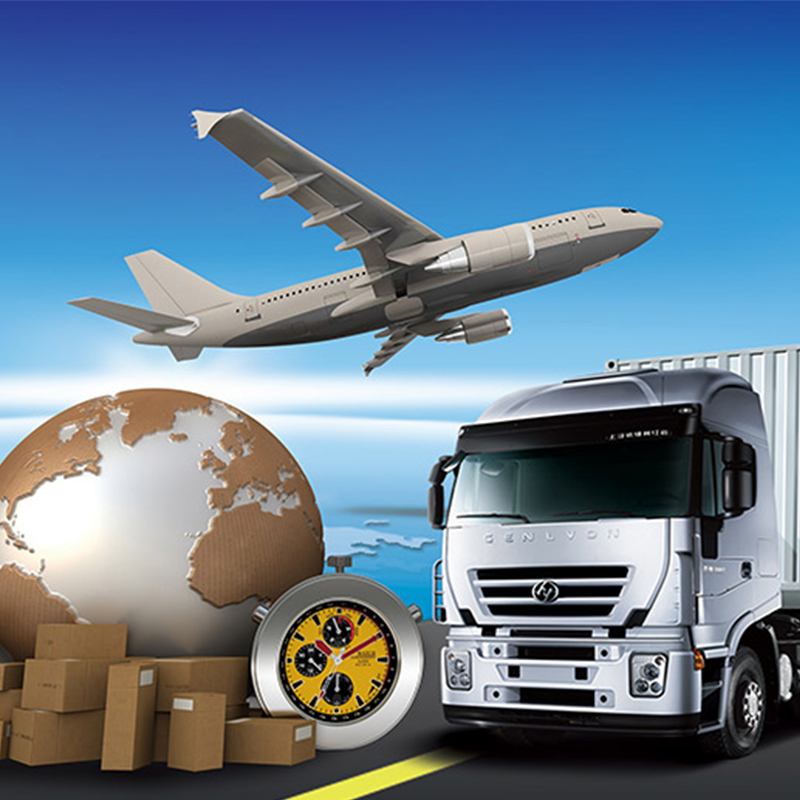
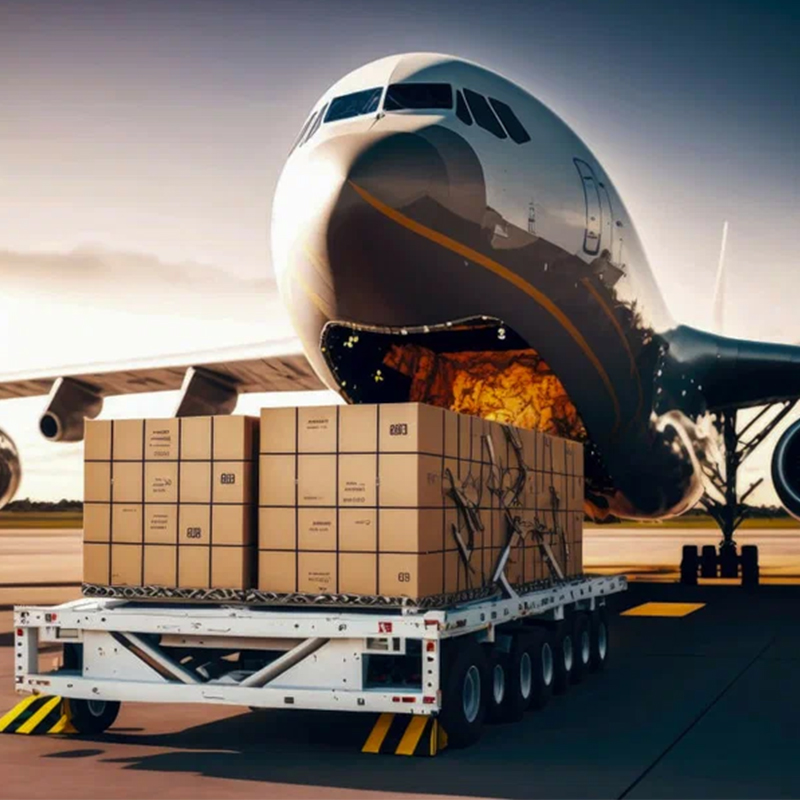
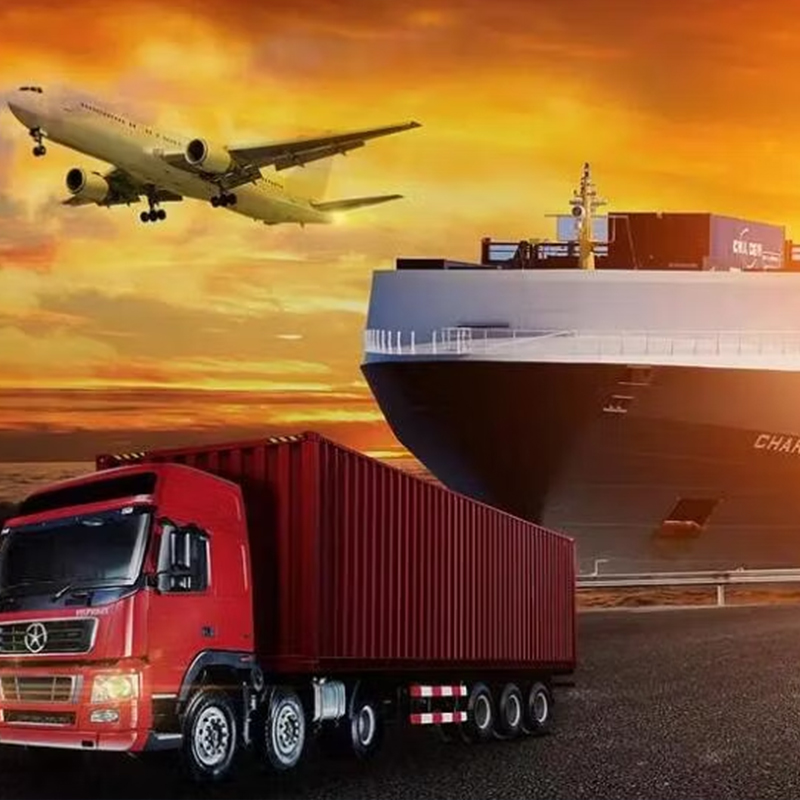
Visual overview of modern consolidation hubs, freight tracking systems, and packing procedures.

 DSERG Logistics