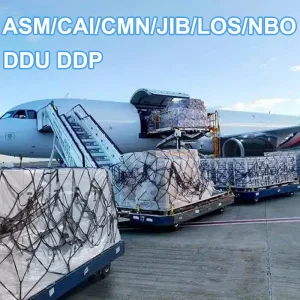
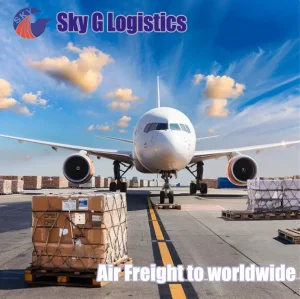
Direct routes, specialized freight forwarding, and reliable air cargo lines optimized for international enterprise dispatching.
Analytical Insight into South American Trade Hubs, Aviation Infrastructure, and Cross-Border Air Corridor Dynamics.
Argentina stands as the second-largest economy in South America, possessing a sophisticated market ecosystem heavily reliant on swift, reliable air transport infrastructure. Anchored by major international nodes such as Ezeiza International Airport (EZE) in Buenos Aires and Ingeniero Aeronáutico Ambrosio L.V. Taravella International Airport (COR) in Córdoba, the country serves as a strategic gateway connecting Mercosur trade blocks with North American, European, and Asian manufacturing centers. As global trade shifts toward just-in-time (JIT) delivery models, evaluating the top manufacturers, service integrators, and export freight operators within Argentina’s air transport matrix is crucial for procurement executives worldwide.
The macroeconomic landscape of Argentina's aviation cargo sector is shaped by high-value industrial sectors, including aerospace manufacturing components, automotive sub-assemblies, lithium extraction technologies, and temperature-sensitive agricultural exports such as blueberries, fresh beef, and organic wines. However, local supply chains face operational challenges, including stringent customs regulations (such as SIRA and AFIP clearance protocols), fluctuating foreign exchange controls, and infrastructure bottlenecks. Consequently, international buyers and domestic enterprises increasingly leverage cross-border air freight corridors—specifically direct express routes connecting Chinese industrial powerhouses with South American logistics hubs—to secure operational stability and supply resilience.
Strategic Insight: Navigating Argentina’s complex import-export environment requires an integrated logistics framework that combines dedicated air transport lines, automated customs broker integration, and flexible freight chartering options to mitigate regulatory risk and minimize transit latency.
Comparative analysis of supply chain scalability, production velocity, and end-to-end air express integration.
While local Argentine aerospace and logistics service providers excel in regional distribution and regional maintenance, repair, and overhaul (MRO) services, global businesses often face supply deficits in scalable manufacturing equipment, advanced electronics, composite materials, and specialized packaging. This creates a powerful synergy between China’s unmatched industrial manufacturing capacity and specialized international air freight dedicated lines.
Chinese manufacturing hubs—particularly in Zhejiang (e.g., Jinhua, Yiwu, Ningbo), Guangdong, and Jiangsu—offer rapid industrial scaling, low production lead times, and cost-efficient unit economics. When linked with direct DDP (Delivered Duty Paid) air freight express services, enterprise buyers in Argentina can bypass conventional warehousing bottlenecks and capital-intensive buffer stocks. By utilizing direct consolidation centers in Yiwu and Jinhua, goods transition from the factory floor to flight dispatch within 24 to 48 hours, yielding a total door-to-door lead time of under 5 business days to Buenos Aires.
Streamlined supply chain workflows allow immediate cargo intake from manufacturing clusters directly to international hubs like Shanghai (PVG), Guangzhou (CAN), or Shenzhen (SZX).
End-to-end management of import documentation, duties payment, and customs clearance protocols tailored to South American tax and tariff mandates.
Specialized handling for high-energy lithium batteries, chemical powders, industrial sealants, and precision machinery requiring strict temperature and tilt controls.
Targeted air logistics execution across key industrial sectors and commercial hubs in South America.
Air transport services in Argentina are not one-size-fits-all; specific economic sectors demand specialized air logistics frameworks. Understanding these localized application scenarios enables enterprise buyers to optimize transit modes and reduce risk:
Just-in-Time delivery of critical vehicle micro-components, OEM parts, and assembly line tooling to avoid factory downtime. Emergency charter and express air freight services ensure line-stop scenarios are prevented.
Transporting heavy-duty filtration units, industrial sealants, monitoring sensors, and dangerous goods (lithium chemicals) to high-altitude mining sites. Demands IATA DG certified air freight execution.
Strict cold-chain logistics (+2°C to +8°C and -20°C) for vaccine distributions, biological samples, and high-value perishable exports destined for European and Asian markets.
Last-mile door-to-door express integration for high-density consumer electronics, apparel, and home improvement hardware, supported by real-time API tracking and automated clearance.
Comparative criteria for selecting tier-1 freight manufacturers, exporters, and logistics partners.
When selecting an air transport service provider or logistics partner operating within the Argentina-Global trade route, procurement teams must evaluate providers across ten critical service metrics:
Profile of a Leading China International Logistics Dedicated Line & Air Cargo Solutions Provider
Jinhua DSERG Logistics Co., Ltd. is a professional international freight forwarding and supply chain service provider, positioned as a China International Logistics Dedicated Line | Air Freight & Express Shipping Solutions provider. The company is committed to delivering fast, stable, and cost-efficient cross-border logistics services for global e-commerce, manufacturing exporters, and trading companies.
Founded in 2014 in Jinhua, China, DSERG Logistics initially focused on regional freight consolidation and export handling services. With the rapid growth of global e-commerce and cross-border trade, the company expanded into dedicated international logistics lanes covering air freight, express delivery, and multimodal transport solutions. By 2018, DSERG had established stable shipping routes connecting China with Europe, the United States, the UK, Australia, Latin America, and Southeast Asia.
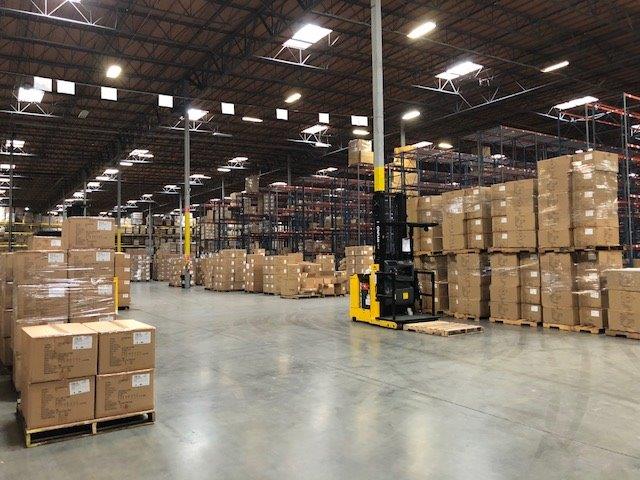
Today, the company operates a comprehensive logistics network integrating customs clearance, warehousing, cargo consolidation, and last-mile delivery. With advanced tracking systems and optimized route planning, DSERG ensures high efficiency, transparency, and reliability throughout the shipping process. Jinhua DSERG Logistics Co., Ltd. continues to serve clients across manufacturing, retail, and e-commerce industries worldwide. With a strong focus on speed, security, and service quality, the company is dedicated to building efficient international logistics dedicated lines and supporting seamless global trade connectivity.


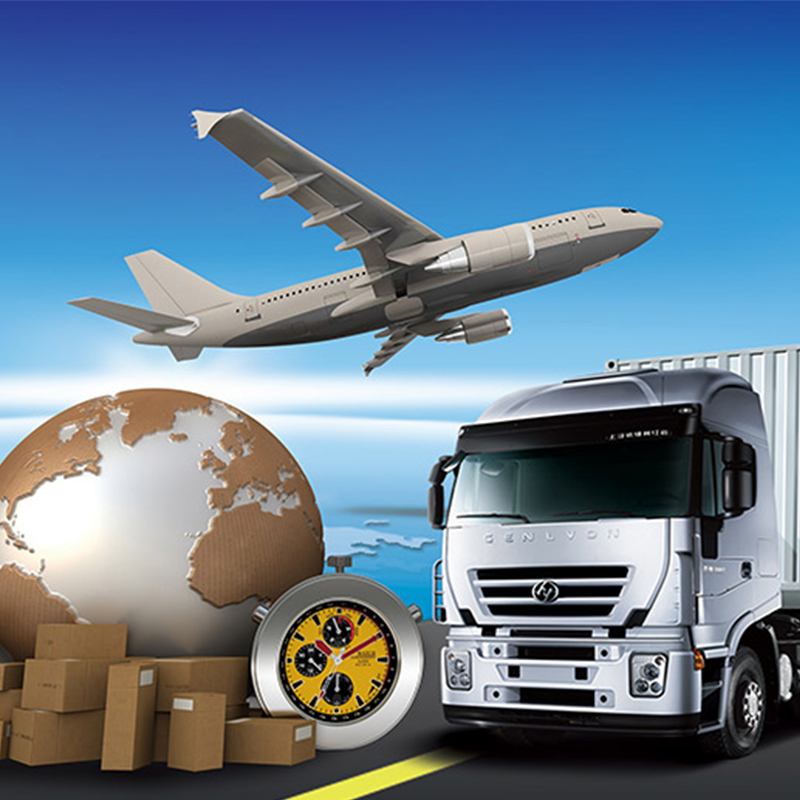



Key technological transformations driving international air freight and South American commerce in 2025 and beyond.
The global air transport ecosystem is undergoing rapid technological and operational shifts. For multinational corporations and South American importers, staying ahead of these trends is vital for sustaining supply chain resilience:
Machine learning algorithms analyze real-time flight availability, weather disruptions, and regional customs loads to automatically re-route high-priority air cargo through the fastest gateways.
Leading freight forwarders are adopting carbon-neutral freight options using SAF and eco-friendly packaging materials to assist enterprise clients in achieving Scope 3 carbon reduction targets.
Direct integration between logistics ERP systems and Argentine customs (AFIP) platforms reduces administrative processing time from days to hours, ensuring smooth tax clearance.
Comprehensive product lineup for direct cargo shipping, material supplies, and cross-border transport lines.
Expert guidance on customs regulations, transit times, volumetric billing, and hazardous material transportation.
 DSERG Logistics