How Long Does Shipping from China to Europe Take in 2026?

Time:2026-04-15 Author:Charlotte
0%

In 2026, understanding how long does China to Europe shipping take becomes crucial for businesses. With the growing demand for faster logistics, reports indicate that transit times have improved significantly. Data shows ocean freight can take anywhere from 20 to 40 days, depending on the specific routes and shipping conditions. Air freight, while more costly, is often preferred for urgent deliveries, averaging about 3 to 7 days.

The shipping landscape is influenced by multiple factors, such as port congestion and customs clearance processes. According to industry experts, economic fluctuations and geopolitical issues can also affect timelines. Companies aiming for efficiency must consider these variables carefully. Not every shipment will meet expected timelines, reminding us of the unpredictability in logistics.

Thus, while it's possible to estimate shipping durations, businesses should prepare for variations. In the ever-evolving world of supply chain management, adaptability is essential. Having contingency plans will ensure that companies can navigate uncertainties in shipping from China to Europe effectively.
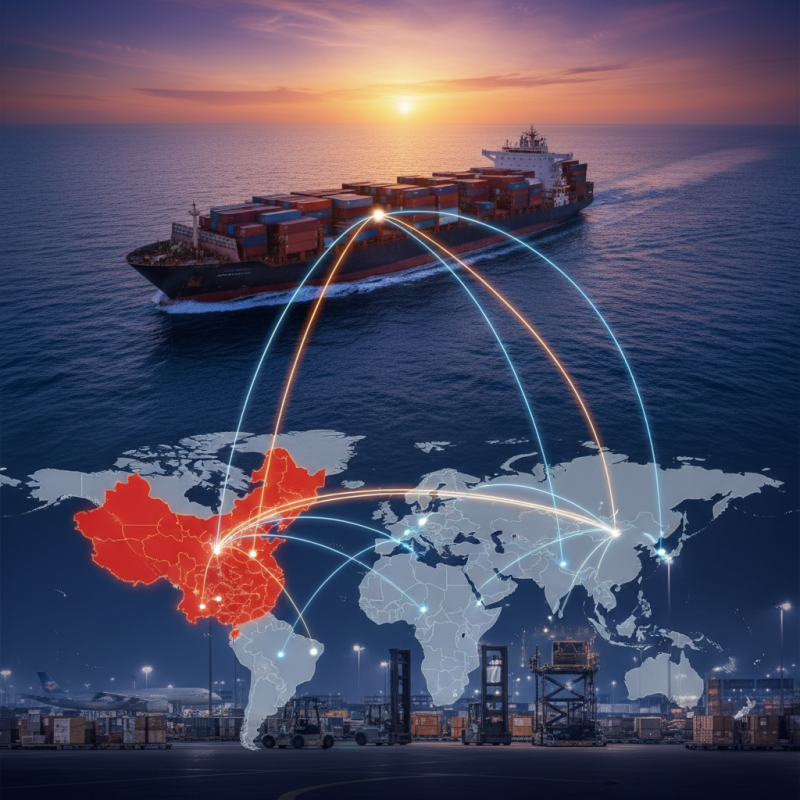
How Long Does Shipping from China to Europe Take in 2026?

Factors Affecting Shipping Times from China to Europe in 2026

Shipping times from China to Europe in 2026 can vary significantly due to several key factors. Transportation modes play a crucial role. Sea freight, while more economical, generally takes longer—averaging 30 to 40 days. Air freight is faster, often requiring only 5 to 10 days, but costs are considerably higher. The choice between these two modes impacts shipping times directly.

Customs clearance procedures can also introduce delays. Reports suggest that up to 30% of shipments face customs issues, affecting overall delivery timelines. Proper documentation and accurate declarations are essential to avoid setbacks. Furthermore, seasonal demand spikes can complicate logistics. During peak seasons, shipping volumes increase, leading to longer processing times at ports.

Technological advancements are expected to improve efficiency but may not eliminate all delays. Automation and real-time tracking systems enhance process visibility. However, reliance on these systems can lead to disruptions if technology fails. Supply chain disruptions, driven by geopolitical factors or health emergencies, remain a constant concern. Keeping all these aspects in mind is vital for businesses planning shipments in 2026.

Modes of Transportation: Options for Shipping from China to Europe

Shipping from China to Europe presents several modes of transportation, each with distinct advantages and challenges. Freight options commonly include air freight, sea freight, and rail. Air freight is the fastest method, taking about 5 to 10 days. However, it can be quite costly. According to industry reports, air freight costs increased by over 30% in recent years, making it less favorable for bulk shipments.

Sea freight is more economical, typically taking 20 to 45 days. This method is widely preferred for large volumes. Yet, it faces delays due to port congestion or adverse weather. A recent study noted that global shipping routes experience up to 15% delay due to these factors. Rail freight, bridging the two methods, offers a transit time of about 10 to 20 days. This option is gaining popularity, especially on the China-Europe Railway Express, which now has over 10,000 annual trips.

Each transportation mode has trade-offs. While air freight is swift, high costs and limited capacity can be barriers. Sea freight's affordability is often overshadowed by lengthy wait times. Rail offers a balanced solution but is still developing. Companies must weigh these aspects carefully to optimize their shipping strategies.

Estimated Shipping Durations by Different Transport Methods

Shipping from China to Europe in 2026 varies greatly depending on the transport method chosen. Air freight, known for its speed, typically takes between 3 to 7 days. Reports from the International Air Cargo Association show that air transport is more reliable but significantly more expensive than other options. Companies must weigh the urgency of their shipments against costs.

On the other hand, sea freight remains a popular alternative for those mindful of budget constraints. This method can take anywhere from 20 to 40 days. According to the World Shipping Council, sea freight is 6 to 8 times cheaper than air transport. However, this method’s reliability can vary due to weather conditions or port congestion. Delays are not uncommon, making it essential for businesses to plan in advance.

Rail transport is emerging as a middle ground. Recent data suggests shipments can reach Europe from China in about 10 to 15 days. This option is gaining traction as it balances cost and speed. Yet, it still faces challenges, like limited service availability and potential delays at border crossings. Reflecting on these details, businesses must adapt their logistics strategies to navigate these complexities effectively.

Impact of Global Events on Shipping Times in 2026

Shipping from China to Europe in 2026 could face significant delays due to global events. Trade routes are often impacted by geopolitical tensions, natural disasters, and economic fluctuations. For instance, increased tariffs and trade restrictions might cause unexpected shipping slowdowns.


Logistics companies must navigate these challenges carefully. Many are investing in technology to improve transparency in shipping times. However, unpredictable events can still disrupt schedules. A severe weather event or factory shutdown can create a ripple effect across the supply chain.


Despite advancements, not all delays are avoidable. Customers may find themselves waiting longer than expected for their shipments. The reliance on air and sea freight adds complexity in times of crisis. Stakeholders must remain agile and proactive in addressing these shipping issues. This reality calls for constant reevaluation of shipping strategies to adapt to a changing global landscape.

Best Practices for Planning Your Shipments from China to Europe

Shipping from China to Europe requires careful planning. You need to consider various factors that can affect delivery times and efficiency. The shipping method you choose plays a crucial role. Air freight is faster but more expensive. Sea freight is slower but cost-effective for large shipments.

Customs clearance is often a challenge. Ensure all documentation is accurate and complete. Delays during this process can extend shipping times. Partnering with experienced logistics providers may alleviate some of these issues. They can offer valuable insights into best practices.

Monitoring the shipping progress is essential. Track your shipments regularly for updates. This helps in addressing any potential delays quickly. Miscommunication can lead to fallout, so keep open lines with all parties involved. Managing expectations with clients also reduces frustration. Aim for clarity in shipping timelines to build trust.

FAQS

: How long does air freight shipping from China to Europe typically take?

: Air freight usually takes between 3 to 7 days.

Why is air freight more expensive than sea freight?

Air transport is faster and more reliable, which increases costs.

What is the shipping duration for sea freight?

Sea freight can take anywhere from 20 to 40 days.

What issues can affect sea freight reliability?

Weather conditions and port congestion often cause delays.

How does rail transport compare to other methods?

Rail transport takes about 10 to 15 days, balancing cost and speed.

What challenges does rail transport face?

Limited service availability and potential delays at border crossings can hinder it.

What factors can cause shipping delays in 2026?

Geopolitical tensions and natural disasters may lead to significant shipping slowdowns.

How are logistics companies addressing shipping delays?

Many are investing in technology for better transparency, but some delays still occur.

Can unexpected global events affect shipping times?

Yes, severe weather or factory shutdowns can disrupt schedules unexpectedly.

What should businesses do to adapt to shipping challenges?

Businesses need to regularly reevaluate their shipping strategies to stay agile.

Conclusion

In 2026, the shipping duration from China to Europe can vary significantly based on several factors. Understanding "how long does China to Europe shipping take" involves considering modes of transportation such as sea freight, air freight, and rail, each with its own estimated shipping durations. Sea freight typically offers a longer transit time but is cost-effective for large shipments, while air freight is much quicker but also more expensive.

Additionally, global events such as economic changes, natural disasters, or trade policies can impact shipping times, causing delays or increased transit durations. To effectively plan shipments from China to Europe, it's essential to consider these factors and adopt best practices, ensuring efficient logistics and timely delivery. This approach will help businesses better manage their expectations and improve their supply chain operations in 2026.

Charlotte

Charlotte

Charlotte is a seasoned marketing professional with a deep understanding of the company's portfolio and a passion for elevating its presence in the market. With a keen eye for detail and a commitment to excellence, she ensures that our professional blog is regularly updated with insightful articles......