Cross-border logistics presents unique challenges for buyers. As businesses expand their reach, they must navigate complex international landscapes. Understanding what are the risks in cross-border logistics is essential for effective planning and execution.
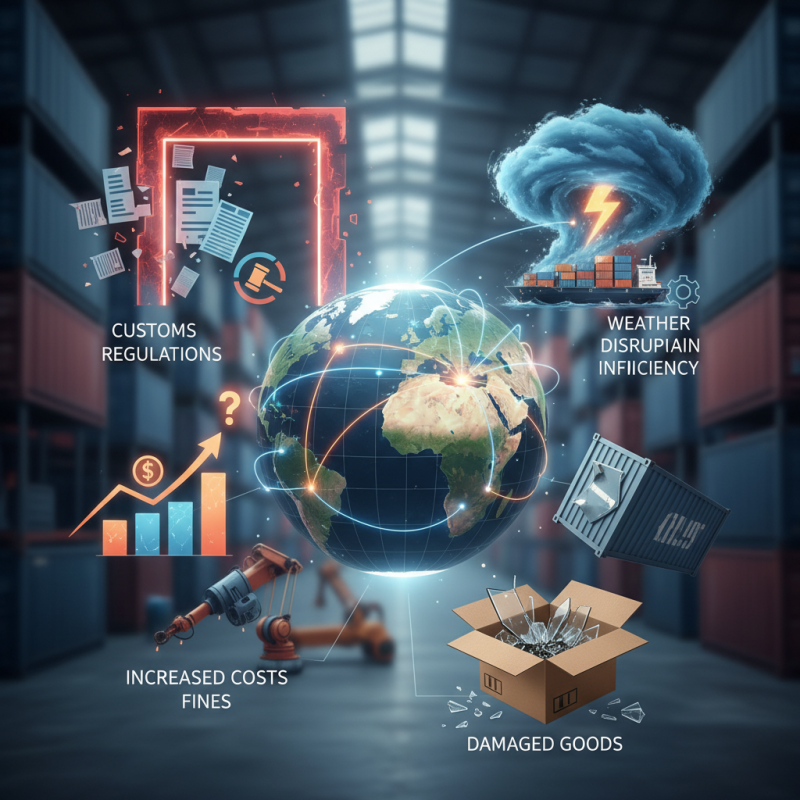
One major risk involves customs regulations. Each country has its own rules, which can lead to delays. Inconsistent documentation often results in fines. Additionally, tariffs can unexpectedly increase costs. These factors create uncertainty in delivery timelines and pricing.
Another significant risk is transportation reliability. Shipping routes may face disruptions from weather or geopolitical events. Such uncertainties can impact supply chain efficiency. Buyers must consider the potential for damaged goods during transit as well. Each of these factors warrants careful consideration.
Key Risks in Cross-Border Logistics for Buyers
Cross-border logistics presents various challenges for buyers. Understanding these risks is critical for a smooth supply chain. One of the main risks is customs clearance. Delays at borders can impact delivery times. Ensuring complete and accurate documentation can alleviate this issue.
Another significant risk is the potential for damaged goods. The longer the distance, the higher the chances of mishandling. Using proper packaging and choosing reliable freight partners is essential. Additionally, insurance options should be considered to cover potential losses.
Tip: Regularly reassess your logistics providers. Changes in regulations or service quality can affect your supply chain.
Fluctuating shipping costs also create uncertainty. Buyers may face unexpected price hikes due to various elements.
Monitoring global trade trends can help manage these expenses more effectively.
Tip: Establish a budget that accounts for unforeseen costs. Flexibility in your logistics planning can serve as a safety net.
Lastly, cultural differences may lead to misunderstandings.
Clear communication is vital in managing partnerships across borders.
Building strong relationships with suppliers helps mitigate potential conflicts.
Regulatory Compliance Challenges in International Shipping
Regulatory compliance in international shipping is a complex landscape. Buyers often encounter diverse laws. Each country has unique regulations that must be adhered to. Misunderstanding these rules can lead to hefty fines. It's crucial to stay updated on changes. Regulations can shift suddenly, impacting shipment processes substantially.
Documentation plays a vital role. Inaccurate paperwork can delay deliveries. Customs clearance can become a nightmare without proper documentation. Buyers must ensure all necessary documents are submitted accurately. A single missing form can halt an entire operation, costing money and time.
Navigating tariffs and trade agreements adds another layer of complexity. These can vary widely across regions. Miscalculating duties can distort profit margins. The constantly evolving nature of global trade means risks are always present. Buyers must approach compliance with vigilance and a proactive mindset.
Key Risks in Cross-Border Logistics for Buyers
| Risk Category |
Description |
Potential Impact |
Mitigation Strategies |
| Regulatory Compliance |
Challenges in adhering to varying international laws and regulations. |
Legal penalties, delays in shipments, increased costs. |
Regular training, consult with legal experts, stay updated on regulations. |
| Customs Delays |
Issues with customs clearance can result in significant delays. |
Increased lead times, stock shortages, customer dissatisfaction. |
Engage experienced customs brokers, ensure complete documentation. |
| Transportation Risks |
Loss or damage of goods during transit across borders. |
Financial losses, disruptions in supply chain. |
Insurance coverage, choose reliable carriers, track shipments. |
| Political Instability |
Changes in government policies or unrest in the exporting/importing country. |
Disruptions in logistics, increased tariffs, potential losses. |
Monitor political climates, diversify sourcing destinations. |
| Currency Fluctuations |
Variability in currency exchange rates affecting cost projections. |
Budget overruns, reduced profit margins. |
Hedge currency risks, negotiate contracts in a stable currency. |
Supply Chain Disruptions and Their Impact on Delivery Timelines
Cross-border logistics poses unique challenges for buyers. Supply chain disruptions can significantly impact delivery timelines. Factors like political instability, natural disasters, and trade regulations can create delays. These uncertainties make it essential for buyers to build resilient supply chains.
Buyers must actively monitor their supply chain's health. Inconsistent communication with suppliers can exacerbate delays. For instance, if a supplier doesn't update on production status, it can lead to lengthy wait times. Understanding regional risks helps buyers prepare better. Having contingency plans in place can alleviate some pressure during disruptions.
Unexpected events can significantly delay shipments. Weather conditions such as storms can halt transportation. Additionally, customs processing times can vary widely. Buyers should establish strong relationships with logistics partners to navigate these uncertainties. Relying solely on one transportation method can be risky. Multiple transport options offer flexibility, especially during disruptions.
Cost Fluctuations Due to Currency Exchange and Tariffs
Cross-border logistics presents several challenges for buyers, particularly regarding cost fluctuations. Currency exchange rates can shift rapidly, altering the cost base for goods and services. A favorable exchange rate may enhance profits, while an unfavorable one can inflate expenses unexpectedly. Buyers must stay vigilant and monitor currency trends regularly. Many businesses utilize financial tools like forward contracts to mitigate this risk, but these tools also require expertise.
Tariffs add another layer of complexity. Changes in local or international trade agreements can impact costs significantly. For instance, a sudden increase in tariffs on imports can render products expensive overnight. Buyers may find themselves paying much more than anticipated. This situation can strain budgets and complicate pricing strategies. To navigate this uncertainty, buyers need robust forecasting methods, yet even the best forecasts can miss key turns in trade policy.
Frequent reassessment of these costs is crucial. Relying on static projections can lead to over-commitment and financial strain. Buyers should also foster relationships with reliable logistics partners who can provide insights. Gathering diverse perspectives can enhance understanding of fluctuating costs. Constant evaluation and adaptation are necessary to maintain a competitive edge in the unpredictable landscape of cross-border logistics.
Quality Control Issues and Product Standardization Across Borders
In cross-border logistics, quality control is often a significant challenge. Different countries have varying standards for products. A 2022 study by the International Trade Administration revealed that 30% of products fail to meet required specifications when imported. This can lead to massive delays and increased costs. Buyers must navigate these inconsistencies carefully.
Product standardization plays a critical role in mitigating these risks. In 2021, research highlighted that companies implementing standardized processes reduced their return rates by 25%. However, achieving uniformity is easier said than done. For example, what is acceptable in one market may be deemed unacceptable in another. Continuous adaptation is necessary, but it can be resource-intensive.
Buyers often face dilemmas when balancing quality and cost. A focus on minimizing expenses may encourage shortcuts in quality assessments. The absence of a solid quality management framework can lead to severe repercussions. Addressing these issues requires collaborative efforts and consistent evaluations across all stages of the supply chain.
Transportation and Security Risks in Global Logistics Operations
Global logistics operations face numerous risks, especially in transportation and security. The complexities of cross-border logistics increase the probability of delays and damage. Factors such as weather, customs inspections, and geopolitical tensions can disrupt schedules. Shippers may encounter increased costs when rerouting due to unforeseen circumstances. These disruptions often lead to financial strain for buyers.
Security risks are equally critical. Theft, fraud, and cyber-attacks pose significant threats in logistics. For instance, shipments traveling through high-risk areas may be targeted. It is essential to implement robust security measures to safeguard goods. Surveillance, tracking systems, and clear communication across supply chains can help mitigate these risks. Additionally, buyers must verify the integrity of their logistics partners, especially when using third-party providers. Awareness and preparation will strengthen defenses against these vulnerabilities.
In navigating these uncertainties, constant evaluation is key. Many companies underestimate the importance of monitoring logistics processes. They must regularly assess their strategies and adapt to changing conditions. This ongoing reflection can enhance resilience and ensure smoother operations. Emphasizing security and efficiency helps build trust and reliability in cross-border logistics.
Conclusion
Cross-border logistics presents various challenges for buyers, encompassing a range of risks that can significantly impact operations. One of the primary concerns revolves around regulatory compliance, as differing international laws and tariffs can complicate shipping processes. Additionally, supply chain disruptions can cause delays, leading to missed delivery timelines and potential customer dissatisfaction.
Moreover, cost fluctuations driven by currency exchange rates and tariffs pose another critical risk, influencing overall logistics expenses. Quality control issues arise as products must meet varying standards across different countries, making consistency a challenge. Finally, transportation and security risks can jeopardize the safety of goods during transit. Understanding what are the risks in cross-border logistics is essential for buyers to navigate these complexities effectively and ensure smoother operations.

 DSERG Logistics