International shipping from China has transformed the global trade landscape. In 2021, China's export value reached over $3 trillion, making it a pivotal player in international shipping. However, many buyers still wonder how does international shipping from China work. Understanding the process can greatly enhance efficiency and cost-effectiveness.
Navigating shipping logistics is complex. Factors include customs regulations, shipping routes, and freight options. According to Statista, around 60% of goods shipped internationally originate from China. This statistic reflects the significance of knowing how to handle international shipments properly. Moreover, reliable shipping practices can mitigate delays, ensuring timely delivery of products.
Yet, challenges persist. Issues such as fluctuating shipping costs and unexpected duties can complicate the process. Buyers must remain adaptable and informed. Reflecting on these intricacies is crucial, as they affect profit margins and customer satisfaction. Gaining clarity on how does international shipping from China work allows buyers to make informed decisions, leading to successful transactions in the ever-evolving global marketplace.
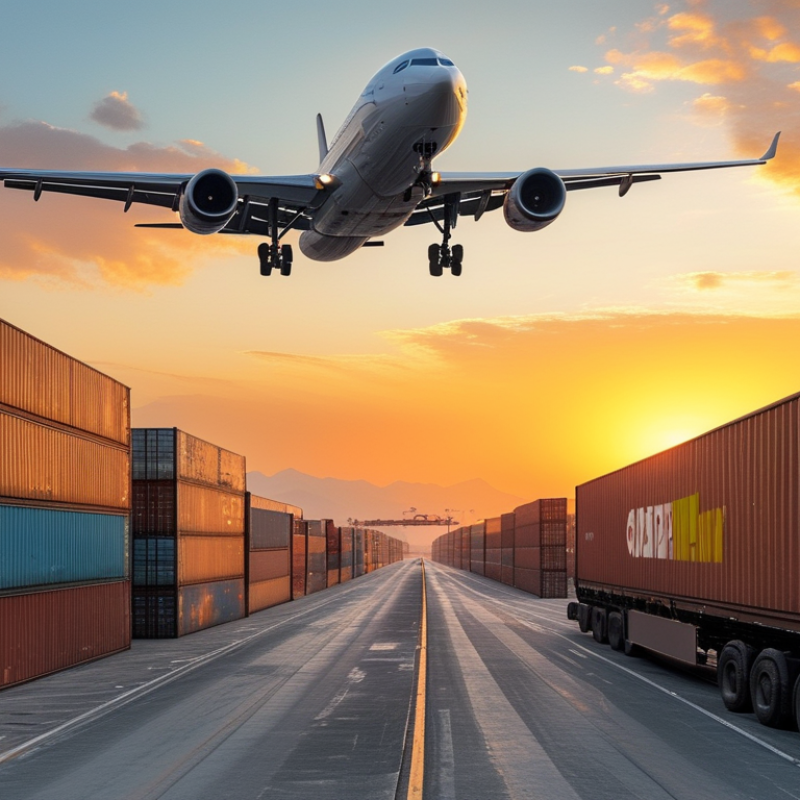
Understanding the Basics of International Shipping from China
International shipping from China involves several key processes. Buyers must first understand the shipping methods available. This includes options like air freight and sea freight. Air freight is quicker but more costly. Sea freight is economical but takes longer. Selecting the right method depends on urgency and budget.
Once the shipping method is chosen, paperwork is essential. Buyers need to provide accurate shipping details. This includes the destination address, customs declarations, and invoices. Mistakes in documents can lead to delays or extra fees. It’s wise to double-check all information before sending.
Customs clearance is another crucial step. Each country has different regulations. Buyers must be aware of import duties and taxes. Understanding these factors can help avoid unexpected costs. Engaging a reliable freight forwarder can simplify this process. They offer guidance through the complexities of international shipping. Challenges like language barriers may arise. Being prepared for these issues is vital for a smooth experience.
Key Players Involved in the Shipping Process
International shipping from China involves several key players that facilitate the entire process. The most critical players include
manufacturers,
freight forwarders,
customs brokers,
shipping lines, and
local delivery services. Each player has a specific role in ensuring the smooth transport of goods from origin to destination.
Manufacturers are responsible for producing the goods. They must maintain high quality and meet international standards. Once production is complete, they collaborate with freight forwarders. These professionals plan and manage the shipping logistics. They know the best shipping routes and provide guidance on necessary paperwork. Working with a knowledgeable freight forwarder can save time and reduce costs.
Customs brokers help clear goods through customs. Their expertise ensures that all regulations are met, preventing delays in the shipping process. After customs clearance, shipping lines take over. They move the goods across oceans. Finally, local delivery services complete the last leg of the journey, bringing products to buyers’ doorsteps.
Tips: When selecting a freight forwarder, consider their experience and network. A trusted partner can significantly impact delivery speed and cost. Always ensure proper documentation to avoid customs issues. Keeping communication open with all players involved will help you address potential challenges quickly.
Choosing the Right Shipping Method for Your Needs
When shipping goods internationally from China, choosing the right method is crucial. Various options cater to different needs. You can opt for air freight when time is of the essence. It’s faster but generally pricier. Sea freight is another alternative, ideal for bulkier shipments. It takes longer, but the cost savings can be significant.
Consider the nature of your shipments. Express services suit urgent deliveries. Standard methods fit typical orders. You may also face customs regulations, which can vary widely. Being aware of these can help prevent delays.
Evaluating these choices requires careful thought. What level of service do you need? Think about cost, speed, and reliability. Sometimes, the cheapest option may result in delays. You might encounter unexpected fees. Research is vital here. Talk to shipping experts to get tailored advice. Their experience can guide you toward the right decision.
Navigating Customs Regulations and Duties for Imports
When importing goods from China, understanding customs regulations is crucial. Customs authorities enforce laws on what can enter the country. Misunderstanding these rules can lead to delays or fines. Each country has its own specific regulations, and they change frequently. Always check for the latest updates before shipping.
Duties and taxes are another important factor. They depend on the type and value of the goods. For example, electronics may incur higher duties than textiles. It's essential to accurately declare your items' value. Overestimating or underestimating can have financial consequences. Some buyers overlook this detail, leading to unexpected costs.
Communication with customs brokers can be beneficial. They provide insights into the complex regulations. Their expertise helps avoid costly mistakes. However, finding a reliable broker can be challenging. Not every broker is equally knowledgeable. Researching their background and experience is necessary. This step is often underestimated but can save you time and money in the long run.
Tracking Your Shipment and Resolving Issues During Transit
Tracking your shipment during international shipping from China can be complex. Various shipping methods offer different tracking options. For example, express couriers often provide real-time updates, while standard shipping may lack detailed tracking. According to a 2022 report by the International Federation of Freight Forwarders Associations, about 25% of shipments experience delays. Buyers need to stay vigilant and monitor the tracking status.
Resolving issues during transit can be challenging. Common problems include customs delays and lost parcels. The World Bank's Logistics Performance Index reports that approximately 20% of international shipments face customs complications. Tracking tools can help identify potential issues early. If a package is delayed, contacting your freight forwarder or carrier for assistance is crucial. Clear communication is key to finding swift solutions.
While technology has improved tracking, it is not foolproof. Systems may fail to update in real-time. Buyers should be prepared for unexpected circumstances. Keeping records and promptly addressing problems can significantly affect the shipping experience. Understanding these complexities can empower buyers to navigate the shipping landscape more effectively.
How Does International Shipping from China Work for Buyers? - Tracking Your Shipment and Resolving Issues During Transit
| Shipping Method |
Estimated Delivery Time |
Tracking Availability |
Common Issues |
Resolution Steps |
| Air Freight |
3-7 days |
Yes |
Delays in customs |
Contact carrier |
| Sea Freight |
20-45 days |
Yes |
Lost shipments |
File claim with carrier |
| Express Shipping |
1-5 days |
Yes |
Customs clearance issues |
Assist with paperwork |
| Rail Freight |
10-20 days |
Limited |
Damage during transit |
Notify carrier immediately |
FAQS
: The main methods are air freight and sea freight. Air freight is faster but more expensive. Sea freight is cheaper but slower.
Paperwork is essential. Accurate shipping details are needed. Mistakes can cause delays or extra fees.
Customs regulations vary by country. Understanding import duties can prevent unexpected costs. It’s helpful to engage a freight forwarder.
Consider urgency and budget. Air freight suits urgent needs, while sea freight is better for bulk shipments.
Tracking options differ by method. Express services provide real-time updates, while standard shipping may lack detailed tracking.
Customs delays and lost parcels are common issues. About 20% of shipments face customs complications, so be prepared.
Stay in touch with your freight forwarder or carrier. Clear communication is vital for finding quick solutions.
Monitor tracking status regularly. If a delay occurs, contact your carrier for assistance promptly and keep records.
Technology has improved tracking, but it's not foolproof. Systems may fail to update in real-time, so be prepared for surprises.
Double-check all documentation and be aware of potential customs issues. Research shipping methods thoroughly and seek expert advice.
Conclusion
International shipping from China is a complex process that involves several key components essential for buyers to understand. It starts with grasping the basics of shipping logistics, which includes the selection of shipping methods that best suit individual needs, whether it be air freight for speed or sea freight for cost-effectiveness. The key players in this process, such as freight forwarders, customs brokers, and shipping lines, play vital roles in ensuring that the goods reach their destination efficiently.
When considering "how does international shipping from China work," buyers must also navigate customs regulations and duties, which can affect the total cost and delivery time of their shipments. It's crucial to be aware of these regulations to avoid delays. Additionally, tracking shipments and resolving any issues that may arise during transit is an important part of the process, ensuring that buyers remain informed and prepared for any challenges. Understanding these aspects is crucial for a smooth international shipping experience from China.

 DSERG Logistics