What Documents Are Needed to Export From China?

Time:2026-09-07 Author:Madeline
0%

China remains one of the world’s largest merchandise exporters. The WTO World Trade Statistical Review 2024 records China’s 2023 merchandise exports at approximately US$3.59 trillion. That scale creates a practical question for every supplier: what documents are needed for export from China? The answer depends on the product, destination, transport mode, customs value, and agreed Incoterm. It is rarely a single universal checklist.

In a typical shipment, the commercial invoice identifies the seller, buyer, product description, quantity, currency, and declared value. The packing list shows carton numbers, dimensions, gross weight, and net weight. Customs usually needs an export declaration, while the carrier issues a bill of lading or air waybill. A certificate of origin may support customs clearance or preferential tariffs. Some products also require permits, inspection records, safety certificates, or other regulated documentation. Requirements can change.

Small details matter. A carton marked “12 units” should match the packing list exactly. HS codes should describe the goods accurately, not merely resemble a previous shipment. The World Customs Organization’s Harmonized System supports consistent classification, but classification still requires product knowledge. UNCTAD’s Review of Maritime Transport 2024 also highlights the complexity and disruption affecting global shipping networks. Delays may expose weak paperwork quickly.

This guide follows common export practice and official trade documentation principles. However, it is not a substitute for confirmation from China Customs, the destination customs authority, or a qualified freight forwarder. Mistakes happen, even with experienced teams. A careful document review before loading remains one of the cheapest risk controls available.
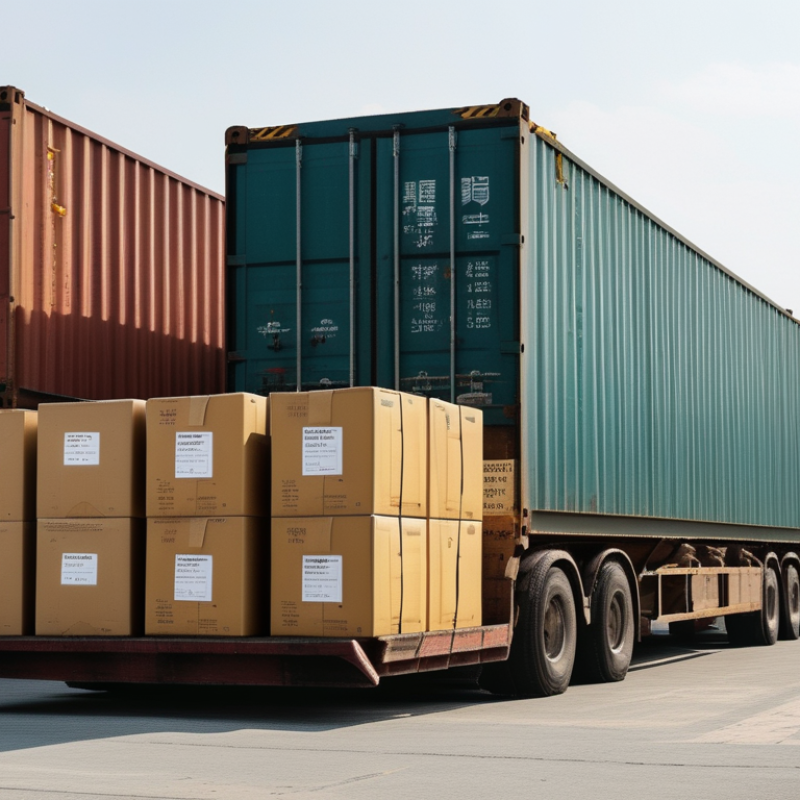
What Documents Are Needed to Export From China?

Core Documents Required for China Export Shipments

What Documents Are Needed to Export From China?

Core Documents Required for China Export Shipments

For most China export shipments, the commercial invoice is the starting point. It states the seller, buyer, product description, quantity, unit price, currency, and agreed trade term. Customs uses these details to assess the shipment. A packing list adds carton counts, dimensions, gross weight, and net weight. Keep those figures consistent. Small differences can delay cargo handling.

The export customs declaration is also essential. A qualified customs broker or exporter usually submits it through the required electronic system. Product classification must match the goods, invoice, and declaration. The transport document follows: a bill of lading for ocean freight or an air waybill for air cargo. Before loading, compare the consignee, carton marks, and shipment weight across every document.

Some shipments need extra evidence, such as a certificate of origin, inspection record, export license, or product-specific compliance document. The exact list depends on the commodity, destination, transport mode, and current customs rules. Do not copy an old file blindly. Shipment reviews often reveal avoidable errors, such as outdated addresses or rounded carton counts. A practical document check should happen before cargo pickup, with the carrier, broker, and importer confirming unclear requirements in writing.

Commercial Invoice and Packing List: Essential Shipment Details

When exporting from China, the commercial invoice and packing list deserve careful attention. These documents describe the shipment in clear, measurable terms. Customs officers, freight providers, and buyers may compare them during clearance.

A commercial invoice should show the seller, buyer, shipment date, product description, HS code, quantity, unit price, total value, currency, and agreed Incoterm. Payment terms and country of origin may also be requested. Avoid vague descriptions such as “parts” or “samples.” Use details like “stainless steel hose fittings” when accurate. The declared value must match the transaction and supporting records. Small inconsistencies create delays.

The packing list explains how the goods are physically arranged. Include the number of cartons, carton marks, net and gross weight, dimensions, and packing method. For example, write “12 cartons, 48 kilograms gross, 60 × 40 × 35 centimeters each.” The invoice and packing list must agree. I still recheck totals manually, because spreadsheet formulas can fail quietly. That is an imperfect step, but it prevents expensive corrections. Another common oversight is changing carton quantities after document preparation. Update every file before dispatch.

Depending on the product and destination, additional documents may be required, such as a certificate of origin, export permit, inspection document, or transport document. Requirements can vary by commodity and destination, so confirm them with the customs broker and carrier before loading. Keep signed copies and electronic versions with consistent file names. Clear records support reliable communication when questions arise.

Export Contract, Customs Declaration, and Supporting Records

What Documents Are Needed to Export From China?

An export contract is the starting point for a reliable shipment. It should identify the buyer, seller, product description, quantity, price, currency, and delivery terms. Payment timing and inspection requirements should also be clear. Vague wording can create expensive disputes later. Keep signed copies and approved revisions together. A practical contract reflects the actual order, not a copied template.

Customs declaration records provide the shipment’s formal details. They normally include the exporter, consignee, product name, quantity, value, packaging, and tariff classification. The commercial invoice and packing list must match these details. Even a small difference in carton counts can delay document review. Accurate product descriptions matter. Avoid informal names that customs officers may not understand. Classification should be checked carefully, especially for technical goods.

Supporting records may include transport instructions, certificates of origin, inspection documents, licenses, and payment evidence. Requirements depend on the product, destination, and current customs rules. Ask a qualified customs professional when classification or certificates are uncertain. In daily operations, experienced teams still make mistakes. A rushed packing list is common. I recommend comparing every document against the final cartons before release. That simple check is not perfect, but it catches many avoidable errors.

Transport Documents and Certificates for International Delivery

What Documents Are Needed to Export From China?

Transport documents and certificates keep an international shipment traceable, insurable, and ready for customs review. The commercial invoice states the seller, buyer, product description, value, currency, and trade terms. The packing list shows carton numbers, weights, dimensions, and package contents. A bill of lading supports ocean transport, while an air waybill supports air freight. Export declarations connect the shipment with customs records.

A certificate of origin may be required by the destination country or requested for preferential duty treatment. Some products also need inspection, quality, safety, or conformity certificates. Requirements vary by product and route. The World Trade Organization reports that merchandise trade remains highly dependent on reliable border procedures. The UNCTAD Review of Maritime Transport notes that more than 80% of global merchandise trade by volume moves by sea. That makes accurate shipping instructions especially important. One small mismatch can delay a container.

Tips: Match every document’s product name, quantity, and package count. Check gross weight against the packing list. Ask the carrier to confirm the bill of lading details before departure. Keep digital and signed copies. Do not rely on a template without checking current destination rules. The World Bank’s Logistics Performance Index 2023 highlights customs efficiency, shipment tracking, and delivery reliability as key logistics factors. In practice, document preparation is not always perfect. A second review often catches the missing certificate or incorrect consignee address.

Product-Specific Licenses, Inspection Reports, and Certificates of Origin

What Documents Are Needed to Export From China?

Export paperwork depends on the product, destination, and trade terms. A commercial invoice, packing list, sales contract, and transport document usually support the customs declaration. Product-specific licenses may also be required for controlled chemicals, medical equipment, food, or regulated machinery. The license should match the product description, quantity, and declared value. A minor mismatch can delay cargo release. Small errors matter. Exporters should confirm requirements with Chinese customs professionals and the buyer’s destination authorities. Rules can change, and assumptions create avoidable risks.

Inspection reports provide evidence that goods meet agreed specifications or safety requirements. They may record quantity, dimensions, materials, test results, packaging, and production dates. Use a qualified laboratory or authorized inspection body when the destination requires independent verification. For example, a shipment of electrical equipment may need test results before loading.

Certificates of origin identify where the goods were produced. They may support customs clearance or preferential tariff claims under an applicable trade arrangement. The issuing authority may request invoices, manufacturing records, and a supplier declaration. Keep originals and consistent digital copies. In practice, documentation is rarely perfect on the first attempt. Product descriptions may differ between the invoice and inspection report. That weakness deserves a final cross-check before shipment.

FAQS

: What documents usually support an export shipment from China?

: Common records include an export contract, commercial invoice, packing list, and transport document. Keep signed copies.

What details should an export contract contain?

It should name the buyer and seller, describe the goods, state quantity, price, currency, delivery terms, payment timing, and inspection requirements. Avoid copied wording.

What information appears in a customs declaration?

It usually shows the exporter, consignee, product description, quantity, value, packaging, and tariff classification. Details must match.

Why must the invoice and packing list match?

Customs may question different product names, carton counts, weights, or declared values. One carton matters.

Which transport document is needed for international delivery?

Ocean shipments generally use a bill of lading. Air shipments generally use an air waybill. Check the consignee address carefully.

When might a certificate of origin be required?

The destination country may request it for customs clearance or possible preferential duty treatment. Confirm current rules.

Do some products need extra licenses or certificates?

Yes. Certain food, medical, electrical, or regulated machinery products may need licenses, inspections, safety reports, or conformity certificates. Requirements vary.

What should an inspection report include?

It may record quantities, dimensions, materials, test results, packaging, and production dates. Use an accepted inspection body when required.

How can exporters reduce document errors?

Compare every document with the final cartons before release. Check product names, weights, package counts, and addresses. A second review helps.

What should exporters do when requirements are unclear?

Ask a qualified customs professional and confirm requirements with destination authorities. Rules can change, and assumptions sometimes fail. No process is perfect.

Conclusion

Understanding what documents are needed for export from China is essential for preparing an accurate and efficient international shipment. The core paperwork usually includes a commercial invoice, packing list, export contract, and customs declaration. These documents should clearly describe the goods, quantities, values, packaging, trade terms, and parties involved. Supporting records may also be required to verify product details, transaction information, and customs compliance.

For transportation, exporters generally need documents such as a bill of lading, air waybill, or other delivery records, depending on the shipping method. Certain products may require additional export licenses, inspection reports, safety certificates, or quality documentation. A certificate of origin can also help confirm where the goods were produced and support customs procedures in the destination country. Requirements vary by product and destination, so all documents should be prepared consistently and checked before shipment.

Madeline

Madeline

Madeline is a dedicated marketing professional with a wealth of expertise in our company's core offerings. With a keen understanding of the industry, she brings a unique perspective to her role, consistently delivering high-quality content that highlights the superior aspects of our products. As......