How to Choose Between Express and Sea Freight for Imports?

Time:2026-06-24 Author:Aria
0%

When considering logistics for imports, businesses often face a crucial decision. Understanding how to choose between express and sea freight can significantly impact both cost and delivery time. Express freight offers speed, delivering goods within days, but at a higher price. This option is suitable for time-sensitive shipments, where quick turnover matters most.

On the other hand, sea freight is more economical for larger shipments. It typically takes weeks for delivery but allows businesses to manage costs effectively. This method is better for bulky items and non-urgent shipments. However, choosing sea freight means accepting potential delays and longer lead times.

Deciding between these two options requires careful consideration. Each has its strengths and weaknesses, and the choice can depend on various factors, including budget and urgency. It's essential to analyze your specific needs and reflect on previous experiences. This will guide you in making a well-informed decision.
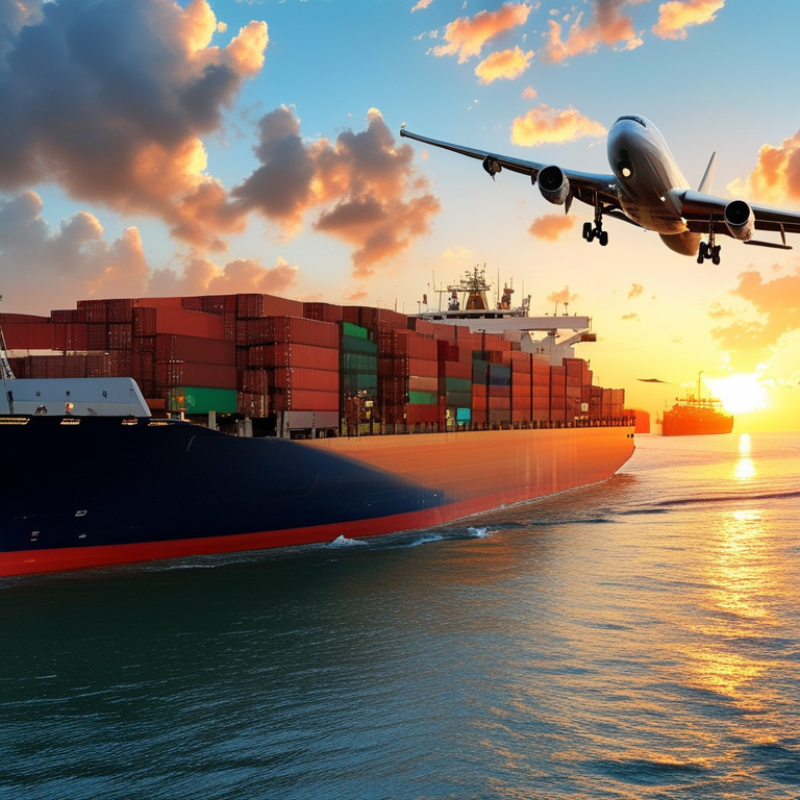
How to Choose Between Express and Sea Freight for Imports?

Factors to Consider When Choosing Freight Options

Choosing between express and sea freight for imports involves several critical factors. Speed is a primary consideration. If time is of the essence, express shipping is the way to go. It significantly reduces transit times compared to sea freight. However, expedited options can be costly. Analyzing your budget is essential. Sometimes, saving on shipping allows for more flexibility in product pricing.

Another important factor is the type of goods being shipped. Perishable items require faster shipping. Sea freight is better for bulky and non-perishable goods. Assess the nature of your cargo. Also, consider the destination. Some locations have better infrastructure for sea freight. Others may facilitate quicker express deliveries.

Evaluating these factors is crucial. It’s not just about speed or cost. It’s about overall logistics and supply chain management. Reflect on past experiences. Have delays impacted your business? What lesson can you take into your next shipping decision? Making informed choices can lead to stronger supply chains and better customer satisfaction.

How to Choose Between Express and Sea Freight for Imports? - Factors to Consider When Choosing Freight Options

Factor Express Freight Sea Freight
Delivery Time 1-3 days 2-6 weeks
Cost High Low
Cargo Size Suitable for small packages Ideal for bulk shipments
Tracking Real-time tracking available Limited tracking
Environmental Impact Higher carbon footprint Lower carbon footprint
Customs Clearance Faster clearance May take longer due to inspections

Comparison of Delivery Times: Express vs. Sea Freight

When choosing between express and sea freight for imports, delivery times play a crucial role. Express shipping is the fastest option. Packages usually arrive within 1 to 3 days. This speed comes with higher costs. Businesses needing quick turnaround often prefer express services. Air freight can handle urgent shipments effectively. It is suitable for small, high-value items. However, it is important to assess whether the expedited cost matches the urgency.

On the other hand, sea freight is significantly slower. Deliveries might take several weeks, usually ranging from 2 to 8 weeks. This method is more economical for larger shipments. Companies looking to minimize costs often opt for sea freight. Yet, the extended timeline can pose challenges. Delays due to weather or port congestion can occur. When choosing, consider your business’s operational needs. Does the urgency of delivery justify the extra cost?

Make sure to evaluate both options carefully. Analyze your inventory turnover and customer expectations. Sometimes, a hybrid approach may be necessary. Balancing speed and cost can optimize your supply chain. Reflect on past shipments as a guide for future decisions. Each choice carries its pros and cons.

Cost Analysis: Understanding the Pricing Structures

When choosing between express and sea freight for imports, understanding pricing structures can be crucial. Express freight is faster but more expensive. Costs include fees for speed, handling, and special service. For urgent shipments, businesses might prefer this option despite the price. A clear budget helps identify if express freight fits your project.

On the other hand, sea freight offers lower prices, especially for large volumes. Shipping costs can be influenced by container sizes, port fees, and fuel prices. However, this method requires patience, as delivery may take weeks. Be aware of potential delays due to weather or port congestion.

Each option has pros and cons. Evaluating the costs versus your timeline is essential. An unexpected delay can impact operations significantly. An experienced logistics partner may help navigate these complexities. Understanding these factors can lead to better decision-making.

Nature of Goods: When to Choose Express or Sea Freight

When deciding between express and sea freight, the nature of your goods plays a crucial role. If you are importing perishable items, express freight is often necessary. Items like fresh fruits, vegetables, or pharmaceuticals require swift delivery. They can lose value or integrity if not shipped quickly. In this case, speed outweighs cost considerations. Products that are time-sensitive or easily damaged should always prioritize express options.

Conversely, bulky items or machinery can benefit from sea freight. This method is more economical for heavy shipments. It is also suitable for goods that have a longer shelf life. Items such as furniture or industrial equipment can often wait a little longer for arrival. Choosing sea freight also allows for larger volumes in a single shipment. However, the longer transit time can sometimes lead to complications. Delays may occur due to weather or port congestion.

Evaluate the specific needs of your goods. Consider how quickly you need them and their handling requirements. Sometimes, using multiple methods for different items can save both time and money. Balancing speed, cost, and the nature of your goods is essential in making an informed choice.

Environmental Impact: Comparing the Sustainability of Freight Methods

When evaluating the environmental impact of freight methods, it's essential to consider emissions. Both express and sea freight contribute differently to carbon footprints. Sea freight often has a lower emission rate per ton of goods transported compared to express shipping. This is due to the efficiency of large cargo vessels. They move vast quantities of freight in one trip, reducing the per-unit impact.

However, the sustainability narrative is not straightforward. Express shipping may use jets or vans that burn highly polluting fuels, but it serves markets demanding quick delivery. For businesses prioritizing speed over sustainability, express might seem appealing. Yet, the environmental cost of urgent shipments raises questions about long-term impacts. Often, consumers aren’t aware of these trade-offs when choosing faster options.

In making decisions, companies should reflect on their values. Are they willing to sacrifice sustainability for timeliness? Strategies like consolidation and careful route planning can mitigate environmental harm in both methods. Assessing the full lifecycle emissions and potential offsets is vital for informed choices. Understanding these complexities is crucial for any business aiming to operate sustainably in today's market.

Environmental Impact of Freight Methods

FAQS

: What should I prioritize when choosing between express and sea freight?

: Speed is crucial if time matters. For perishable items, express is essential. Sea freight suits bulky, non-perishable goods.

How does cost impact my freight decision?

Express shipping can be expensive. Consider your budget and how shipping costs affect product pricing and flexibility.

Why is the type of goods important in freight options?

Different goods have different shipping needs. Assess your cargo type to select the best shipping method.

How can destination affect my shipping choice?

Some locations support sea freight better, while others are suited for express deliveries. Infrastructure plays a key role.

What lessons can be learned from past shipping experiences?

Reflect on any delays or issues you've faced. These reflections can guide future decisions for more effective logistics.

How do emissions differ between express and sea freight?

Sea freight typically has lower emissions per ton. Express shipping often uses fuels that contribute more pollution.

Should speed take precedence over sustainability?

This is a tough choice. Prioritizing speed can harm the environment. Consider the long-term impacts of your decisions.

What practices can help with sustainability in freight?

Consolidation and careful route planning can reduce environmental harm. Assessing lifecycle emissions is also important.

How do consumers impact freight choices?

Many consumers are unaware of the trade-offs between speed and environmental impact when choosing delivery options.

What strategy should companies use for informed freight decisions?

Reflect on values related to speed versus sustainability. Make choices based on a full understanding of environmental costs.

Conclusion

When considering how to choose between express and sea freight for imports, it's essential to evaluate several key factors. Delivery time is a crucial consideration, as express freight typically offers faster transit times, making it ideal for time-sensitive shipments. In contrast, sea freight is more suitable for larger volumes or less urgent goods. Cost analysis reveals that express services often come with a higher price tag compared to the more economical sea freight options, which can significantly impact budget decisions.

Additionally, the nature of the goods being transported plays a vital role in the choice of freight method. Fragile or perishable items may warrant express shipping, while bulkier, non-urgent goods can benefit from sea transport. Lastly, the environmental impact of each method should not be overlooked, as sea freight generally has a lower carbon footprint compared to express freight options. By thoroughly analyzing these factors, importers can make informed decisions that align with their logistical needs and sustainability goals.

Aria

Aria

Aria is a dedicated marketing professional with a deep passion for innovative strategies and a keen understanding of our company's product offerings. With a wealth of experience in the industry, Aria excels at crafting engaging content that highlights the unique features and benefits of our......