What Causes Customs Delays in Shipping and How to Avoid Them?

Time:2026-06-27 Author:Sophia
0%

In the world of international shipping, understanding "what causes customs delays in shipping" is crucial for businesses and individuals alike. According to John Mitchell, a customs compliance expert with over 20 years of experience, “Unprepared documentation is the leading cause of delays.” This highlights the need for thorough preparation to navigate the complex customs landscape.

Many factors contribute to these delays. Missing paperwork, inaccurate invoices, and lack of proper licenses can all stall shipments. Furthermore, changes in regulations can trap unprepared shippers. Understanding these elements is key to avoiding extended wait times.

Despite careful planning, unexpected issues can arise. A sudden inspection or increased scrutiny may occur without warning. This uncertainty makes it essential to stay informed about customs procedures. Anticipating potential problems can save time and minimize frustration. Insight from experts like Mitchell emphasizes that proactive measures are vital in preventing unnecessary delays.
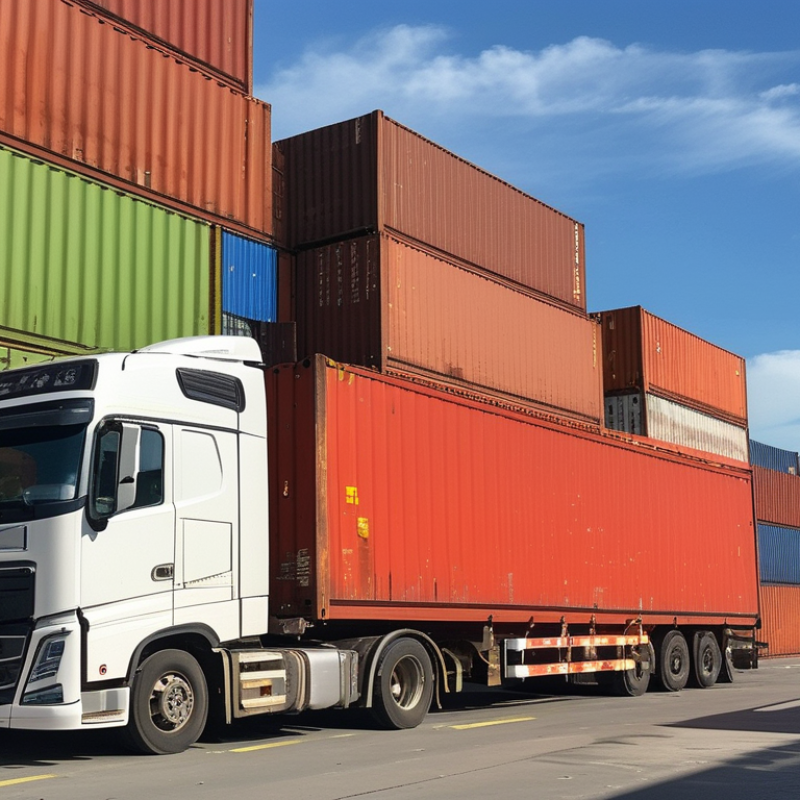
What Causes Customs Delays in Shipping and How to Avoid Them?

Causes of Customs Delays: An Overview of Key Factors

Customs delays can significantly impact shipping timelines. Understanding the causes can help mitigate these issues. A report from the World Customs Organization indicates that around 30% of global shipments face delays due to customs. This figure highlights the complexity of international trade.

One major cause of delays is incomplete documentation. Customs authorities require specific paperwork to process shipments. Missing invoices or inaccurate declarations can lead to hold-ups. According to a survey by the International Chamber of Commerce, 25% of businesses reported that errors in customs paperwork delayed their shipments. Ensuring all documents are accurate is crucial.

Another factor is the classification of goods. Misclassification can lead to longer inspections. The World Bank estimates that improper classification adds an average of 24 hours to shipping times. This inefficiency emphasizes the need for thorough product knowledge, ensuring correct descriptions and codes. Timely communication with customs agents can also mitigate confusion and expedite the clearance process.

The Role of Documentation in Preventing Shipping Delays

Proper documentation is crucial in international shipping. Missing or incorrect paperwork can lead to unnecessary delays at customs. These delays are often costly for businesses. They can lead to lost sales, unhappy customers, and additional fees.

Each shipment requires specific documents. Bills of lading, invoices, and packing lists must be accurate. Small errors can cause customs officials to flag a shipment. For instance, if a product's value is misreported, it can lead to investigations. These investigations take time and can lead to fines.

Maintaining up-to-date knowledge of documentation requirements is essential. Regulations vary by country and product type. Businesses may benefit from consulting experts in logistics or customs brokers. Regular training for staff on documentation can also help. Avoiding delays starts with diligence in preparing documents carefully.

What Causes Customs Delays in Shipping and How to Avoid Them?

This chart illustrates the main causes of customs delays in shipping, based on analysis of various shipping data. Proper documentation plays a crucial role in minimizing these delays.

Common Customs Regulations That Impact Shipping Timelines

Customs regulations can significantly impact shipping timelines. Each country has specific rules that govern imports and exports. Knowing these regulations is crucial for preventing delays. For example, missing or incomplete paperwork can hold up your shipment. Ensure all documents are filled out correctly to avoid this common pitfall.


Tariffs and taxes also play a role in customs delays. Importers often overlook these costs when shipping goods. Not paying applicable duties promptly can lead to your shipment being held at the border. Familiarize yourself with the tariff schedules of the countries involved. Understanding these charges can save time and money.


Another consideration is restricted items. Even seemingly harmless products can be subject to regulations. Regulations vary greatly between countries. It’s essential to confirm that your goods are compliant before shipping. This step can prevent unnecessary customs holds.


Each of these factors highlights the need for careful planning and attention to detail in international shipping.

Strategies for Efficient Customs Clearance and Compliance

Customs delays can wreak havoc on shipping schedules, but there are proven strategies to streamline the process. Efficient customs clearance hinges on proper documentation. Always provide accurate invoices, packing lists, and customs declarations. Missing or incorrect information can lead to unnecessary holds.

Tips: Keep a checklist of required documents. Double-check all entries before submission. This small step can save considerable time.

Another effective strategy is understanding import regulations. Each country has unique rules. Familiarizing yourself with these can prevent surprises. Misclassifying goods can lead to delays and additional fees.

Tips: Use resources like government websites for up-to-date regulations. Consulting with customs brokers may also provide valuable insights.

Regularly communicating with logistics partners is essential for proactive management. Stay informed on any potential border changes or logistical issues. Building a relationship with your customs broker enhances efficiency.

Tips: Schedule regular updates with your team. A quick call may reveal changes that impact your shipment timeline. Aim for transparency; it pays off.

Impact of Supply Chain Disruptions on Customs Processing Times

Customs processing times are increasingly affected by supply chain disruptions. According to a report by the International Chamber of Commerce, 75% of businesses experienced delays due to these disruptions in 2022. Issues such as shipping route congestion and port capacity limitations add layers of complexity. These factors can lead to unexpected customs holds, causing additional delays.

The increased demand for goods has strained logistics networks. A Supply Chain Management Review revealed that 60% of customs delays arise from incomplete documentation or inaccurate information. Properly filling out all required forms is crucial. Omissions can lead to lengthy inspections and additional fees, which may extend the average customs clearance time from a few hours to several days.

Tracking shipments effectively can mitigate some issues. Implementing advanced technology, such as AI and blockchain, has shown promise. The World Economic Forum noted that companies embracing these technologies reduced customs clearance times by up to 30%. However, many businesses still lack the necessary infrastructure to adapt. Identifying and addressing these gaps in operations can be challenging yet essential for minimizing customs delays.

FAQS

: What causes customs delays in shipping?

: Common causes include incomplete documentation and product misclassification. Both can significantly hold up shipments.

How does incomplete documentation affect shipping timelines?

Missing invoices or inaccurate declarations can delay customs processing. About 25% of businesses report such errors causing delays.

What role does goods classification play in customs processing?

Misclassification often leads to longer inspections. Proper knowledge of product codes is essential to avoid delays.

How do customs regulations affect shipments?

Specific rules in each country can impede shipments. Missing paperwork can significantly increase the chances of delays.

What should importers know about tariffs and taxes?

Overlooking tariffs can lead to customs holds. Familiarizing oneself with applicable duties is crucial for smooth shipping.

Can restricted items delay customs processing?

Yes, shipping seemingly harmless products can still lead to holds. Always check compliance before shipping to avoid delays.

How do supply chain disruptions impact customs processing times?

Increased demand and logistics strain cause many delays. About 75% of businesses reported customs delays related to supply chain issues.

What technologies can help reduce customs clearance times?

Using AI and blockchain can decrease processing times. However, many companies lack the necessary infrastructure to implement them.

How does documentation accuracy affect supply chain efficiency?

Inaccurate forms significantly extend customs clearance from hours to days. Proper documentation is vital for timely processing.

What challenges do businesses face in minimizing customs delays?

Identifying operational gaps is tough. Many companies struggle with both technology adoption and strict compliance.

Conclusion

In exploring what causes customs delays in shipping, several key factors come into play, including incomplete or inaccurate documentation, misunderstanding of customs regulations, and insufficient compliance with the necessary requirements. Proper documentation is crucial in preventing these delays, as errors can lead to hold-ups at customs and extended shipping timelines.

Moreover, common customs regulations, such as tariffs and classification rules, can significantly impact processing times if not adhered to. Strategies for efficient customs clearance include thorough preparation and a proactive approach to compliance. Additionally, external supply chain disruptions can further exacerbate customs processing times, highlighting the importance of having contingency plans in place for smoother operations. By understanding these elements, shippers can better navigate the complexities of international shipping and minimize delays.

Sophia

Sophia

Sophia is a dedicated marketing professional with an exceptional depth of knowledge about her company's products and services. With a keen understanding of market trends and customer needs, she crafts insightful blog posts that not only inform but also engage readers, enriching the company’s online......