In the landscape of global trade, shipping efficiency remains a pressing concern. According to a report by the China International Freight Index, logistics costs can account for up to 20% of overall product costs. This statistic emphasizes the importance of optimizing shipping processes. Understanding how to improve shipping efficiency from China is crucial for businesses seeking to enhance their competitiveness.
Industry expert David Zhang, a veteran in supply chain management, states, "Streamlining logistics is not just an option; it’s a necessity in today’s market." His insights reflect a growing need for companies to adopt innovative solutions. The pressure to reduce transit times and costs is mounting. Inefficiencies such as port congestion and inadequate packaging lead to delays and increased expenses.
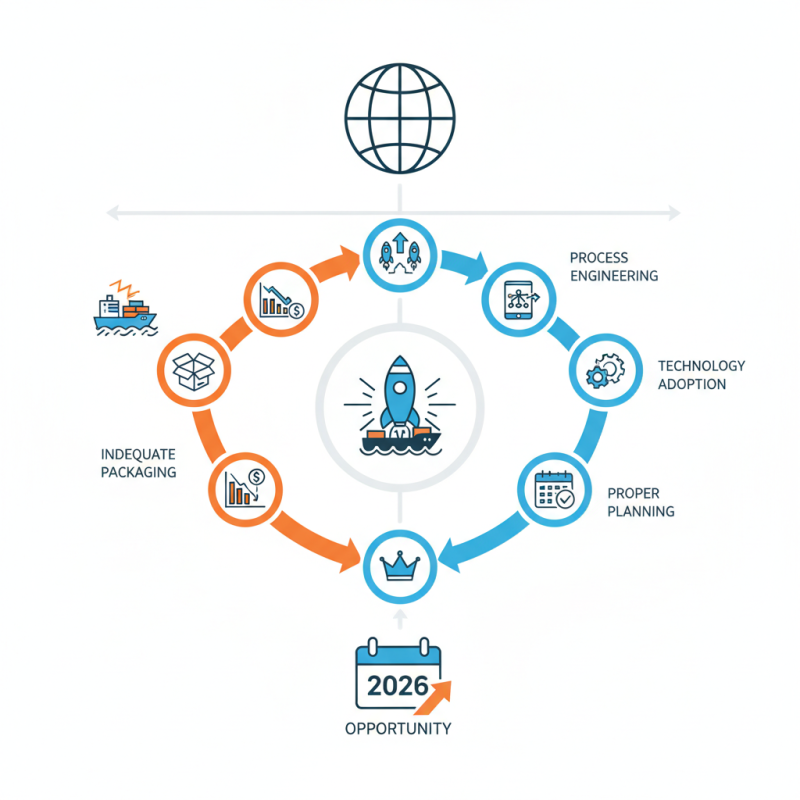
Yet, many businesses overlook the potential for improvement. They often stick to traditional methods. This resistance can hinder growth and lead to suboptimal operations. Addressing these issues involves a mix of technology adoption, process reengineering, and proper planning. Prioritizing these strategies can pave the way for significant gains in efficiency. In this light, the year 2026 presents a unique opportunity for businesses willing to rethink their shipping practices.
Shipping efficiency is vital in global trade. It impacts costs, delivery times, and inventory management. A report from the World Bank indicates that improving logistics could boost global GDP by as much as 2.3%. Efficient shipping reduces waste and enhances customer satisfaction. When shipments are delayed, businesses face higher costs and unhappy customers. According to the Logistics Management Survey, 36% of consumers will not reorder after a bad delivery experience.
Understanding the nuances of shipping efficiency is essential for international businesses. Factors like route optimization, real-time tracking, and effective communication with suppliers play vital roles. A study from McKinsey highlights that companies can save up to 15% in logistics costs by utilizing data analytics. This not only improves operational efficiency but also allows businesses to respond swiftly to market changes. However, many companies still struggle with inadequate technology and processes, hindering their shipping effectiveness.
The importance of shipping efficiency cannot be overstated. Delays and errors can disrupt supply chains. Even with advanced systems in place, human error remains a significant risk. A single missed shipment can lead to cascading effects throughout a supply chain. To stay competitive, businesses must continuously evaluate and refine their shipping processes. By doing so, they can better align with global trade demands and ultimately drive growth.
| Tip Number | Shipping Efficiency Tips | Impact on Delivery Time (%) | Cost Reduction (%) |
|---|---|---|---|
| 1 | Optimize Packaging | 15% | 10% |
| 2 | Implement Advanced Tracking | 20% | 5% |
| 3 | Use Freight Forwarders | 10% | 15% |
| 4 | Simplify Customs Procedures | 25% | 20% |
| 5 | Implement Just-in-Time (JIT) Inventory | 30% | 25% |
: Shipping efficiency impacts costs, delivery times, and customer satisfaction. Delays can lead to higher expenses and lost customers.
Route optimization, real-time tracking, and supplier communication are key factors. They enhance operational effectiveness and respond to market changes.
Using data analytics can save up to 15% in logistics costs. However, many struggle with outdated technology.
Delays can disrupt supply chains. A single missed shipment can create cascading issues throughout the entire process.
Efficient space use and proper weight distribution are crucial. Poorly packed containers can damage goods and increase costs.
Uneven weights can lead to safety risks and higher fuel consumption. Balanced loads enhance safety and efficiency.
Technology improves tracking and processes. Yet, many companies still use outdated methods, which can hinder efficiency.
Automation saves time and reduces errors, but integration can be challenging. Employee training is essential for successful transition.
They promote seamless communication among stakeholders. However, they come with potential cybersecurity risks.
They must reflect on the benefits and risks. Continuous evaluation and adjustment are necessary to embrace innovation.
In the ever-evolving landscape of global trade, understanding how to improve shipping efficiency from China is crucial for businesses aiming to stay competitive. Key factors that influence shipping efficiency include logistics management, packing strategies, and the selection of reliable shipping partners. By optimizing packing and loading techniques, companies can maximize cargo space and minimize costs.
Additionally, leveraging technology plays a vital role in enhancing shipping processes and tracking shipments in real-time. Embracing innovative logistics solutions and collaborating with skilled logistics providers can streamline operations and improve overall efficiency. In summary, focusing on these strategies can significantly enhance shipping efficiency from China, leading to better customer satisfaction and lower operational costs.

 DSERG Logistics